Frequent clogging of marine filters may be due to excessive contaminants in the system, or it could be related to the filtration rating, filter capacity, pipeline corrosion, or incompatibility with the working medium. If the problem persists, the service life of the filter element will be shortened, and equipment operation may also be affected.
Does it mean the filter element is of poor quality if it clogs again shortly after replacement?
Not necessarily. The new filter element might be capturing contaminants from the storage tank or pipelines, or it might not match the actual flow rate, temperature, or viscosity. Therefore, troubleshooting requires inspecting both the filter element and the entire system.
This article will outline the common causes of frequent marine filter clogging, changes in pressure drop, methods for determining when to clean or replace, and factors to consider when selecting a replacement filter element.
What Causes Marine Filters to Clog So Quickly?
Excessive Contamination
When a system (fuel, lubricating oil, or water) contains excessive impurities, the filter element quickly reaches its dirt-holding capacity and clogs. If multiple new filters fail rapidly in succession, you must investigate the source of the contamination (such as tank deposits, pipeline corrosion, or upstream equipment malfunctions).
Frequently replacing filters is merely a temporary fix. Eliminating the root cause of the contamination is the only way to truly extend the filter’s service life.
The Wrong Filtration Rating
Overly fine filters cause rapid pressure drops, but switching to coarser ones risks damaging downstream equipment with harmful particles. When replacing filters, strictly adhere to the manufacturer’s required rating and ensure pre-filtration and system cleanliness match actual conditions.
Tank and Pipeline Corrosion
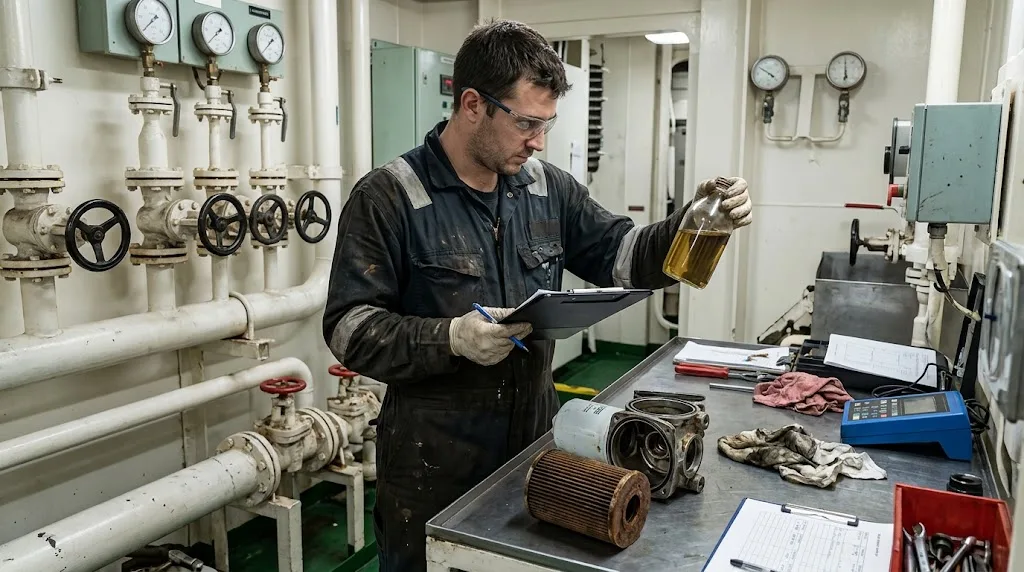
Rust, scale, or peeling coatings from tanks and pipelines can easily enter the filter, especially after maintenance. If old filters show rust or metal shavings, upstream equipment requires thorough inspection and analysis to prevent severe internal wear from being overlooked.
Poor Tank Cleanliness
Bottom sludge and deposits can re-enter the system during fluid transfers or movement, quickly overloading the filter. Additionally, water accumulation promotes microbial growth. Addressing abnormal deposits or biofilms requires comprehensive tank inspections, fluid sampling, and appropriate treatment methods.
Incorrect Filter Sizing
A filter fitting the pipeline does not guarantee adequate capacity. If the filtration area is insufficient for the actual flow rate and fluid viscosity, pressure drops will spike prematurely. Proper sizing must always evaluate flow, viscosity, required rating, and effective area.
Incompatible Conditions
Filter media and seals must be fully compatible with the fluid and operating temperatures to prevent swelling or degradation. Furthermore, low temperatures increase fluid viscosity, temporarily raising the pressure drop; therefore, never assume a filter is clogged based on pressure alone.
How Does Pressure Drop Change as a Filter Becomes Blocked?
Pressure drop is the difference in pressure between the filter’s inlet and outlet. As the filter element traps contaminants, flow resistance generally increases, and the pressure drop may gradually rise.
| Filter Condition | Common Indicators | Suggested Focus |
| Clean State | Low filter element resistance; pressure drop is within the equipment’s normal initial range. | Record baseline values under specified flow, temperature, and medium conditions. |
| Partially Blocked | Contaminants gradually accumulate; pressure drop may increase. | Compare with baseline values under similar operating conditions and manufacturer limits. |
| Severely Blocked | Pressure drop may reach alarm or maintenance limits, and system flow rate may be affected. | Take action according to the equipment manual to avoid continued operation beyond limits. |
Pressure drop readings must be compared under consistent flow, temperature, and fluid conditions, as colder, higher-viscosity oils and system bypass controls naturally elevate readings. Clean or replace filters based on manufacturer limits rather than waiting for complete blockage.
How Can You Find the Cause of Repeated Filter Clogging?
If the filter still clogs quickly after cleaning or replacement, you can start by reviewing operation records and examining the old filter element.
Record the service time after the filter element’s installation, as well as the flow rate, temperature, and pressure drop before and after clogging. If the new filter element’s initial pressure drop is already high, check the model and operating conditions; if the initial pressure drop is normal but rises rapidly in a short period, the contamination load requires further investigation.
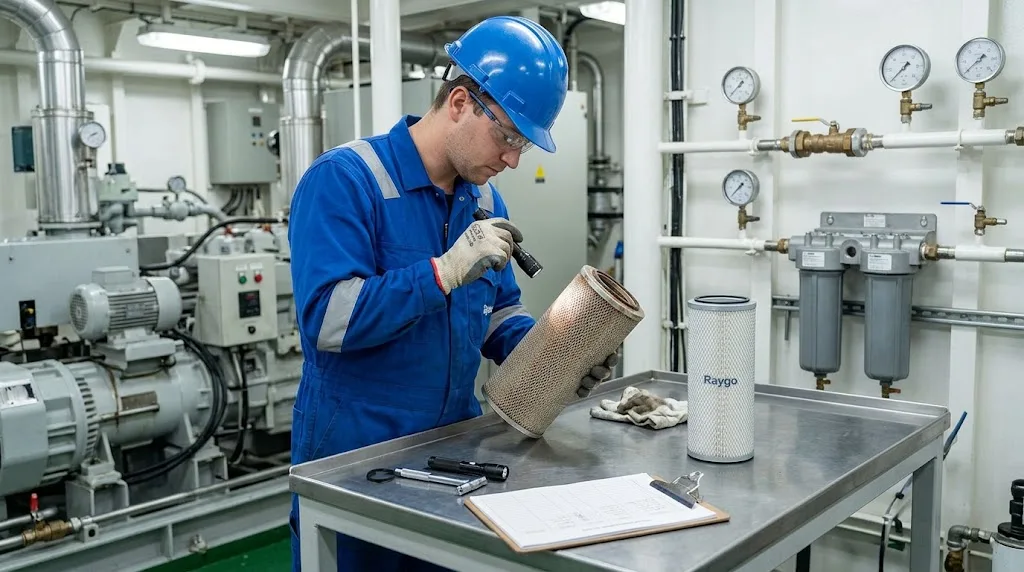
Next, observe the deposits on the old filter element. Rust-colored particles, sludge, water, or other abnormal substances can provide clues for inspecting the storage tanks, pipelines, and upstream treatment equipment. If necessary, sample analysis of the medium or deposits should be conducted.
Finally, verify whether the filter element model, filtration rating, and material meet the equipment requirements. After completing the treatment, record the pressure drop and service life again under similar operating conditions to determine if the issue has improved.
When Should You Clean or Replace a Marine Filter Element?
Whether a filter element can be cleaned depends on its design and the manufacturer’s instructions. Maintenance methods may vary for different filter media.
| Situation | General Action |
| Filter elements allowed by the manufacturer to be cleaned, with media and structure intact | Clean and inspect according to the equipment manual before reusing. |
| Disposable filter elements, or those not permitted for cleaning by the manufacturer | Replace when specified conditions are met. |
| Filter element is damaged, deformed, or corroded | Replace affected components and investigate the cause of the damage. |
| Pressure drop fails to return to normal after cleaning | Check cleaning effectiveness, filter element condition, and system operating conditions; replace if necessary. |
Never judge a filter’s reusability solely by its appearance; always follow product instructions for cleaning methods, limits, and inspection standards. For duplex filters, switch to the standby side per the manual before maintenance. Before opening any filter, strictly follow shipboard procedures to ensure the system is isolated, depressurized, and safe to service.
How Do You Choose the Right Replacement Marine Filter Element?
Match the Existing Equipment
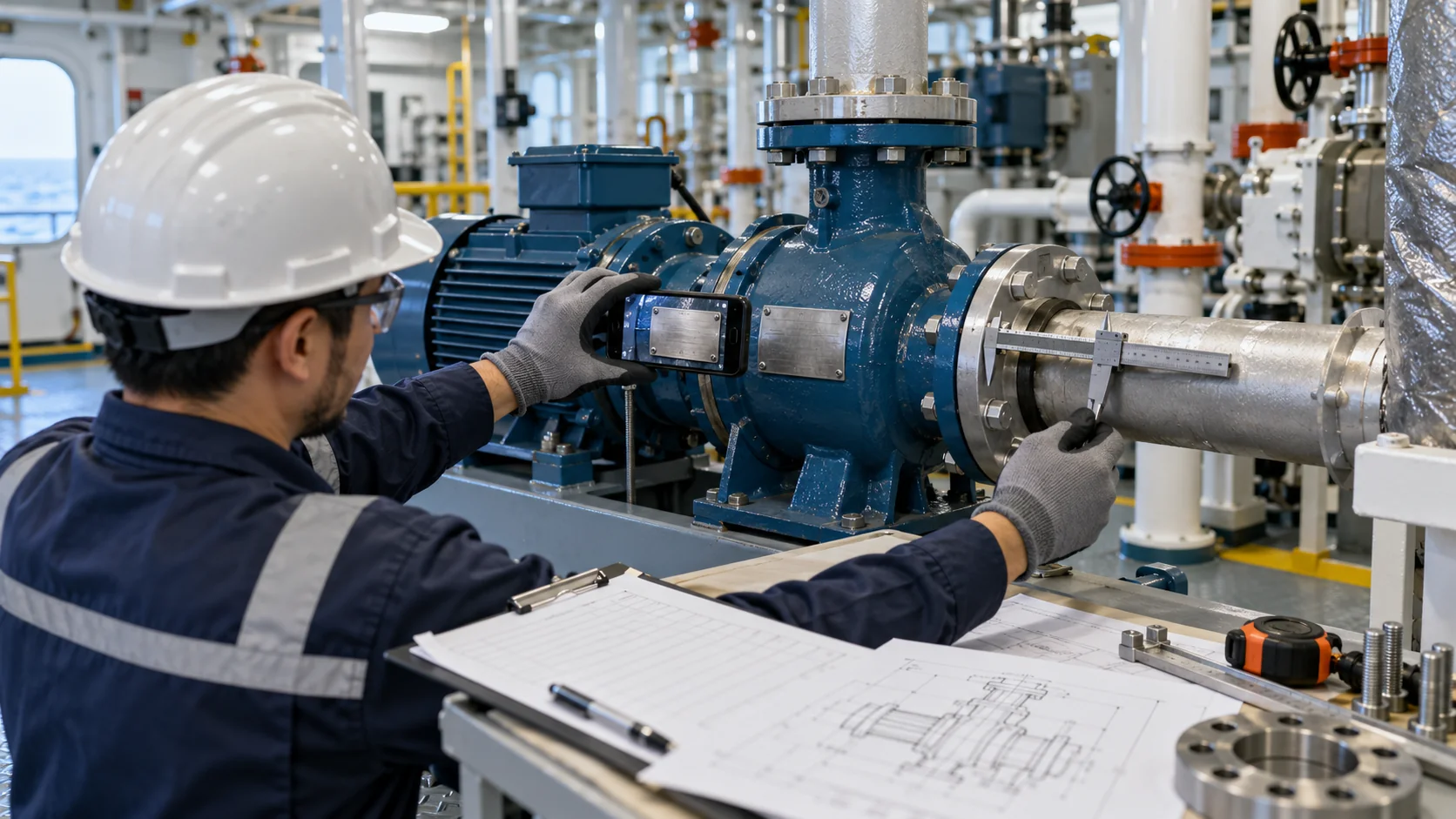
Always verify the manufacturer, equipment model, part number, dimensions, connections, and seals (similar appearances do not guarantee matching specs). If details are missing, provide the supplier with nameplate photos, drawings, and key dimensions; photos alone are never sufficient.
Confirm Filtration & Operating Requirements
Replacement elements must meet the specified filtration rating while adapting to the actual fluid, flow rate, pressure, temperature, and viscosity. If considering an alternative model, ensure you understand its equivalence basis and any technical differences.
Check Compatibility & Maintenance Needs
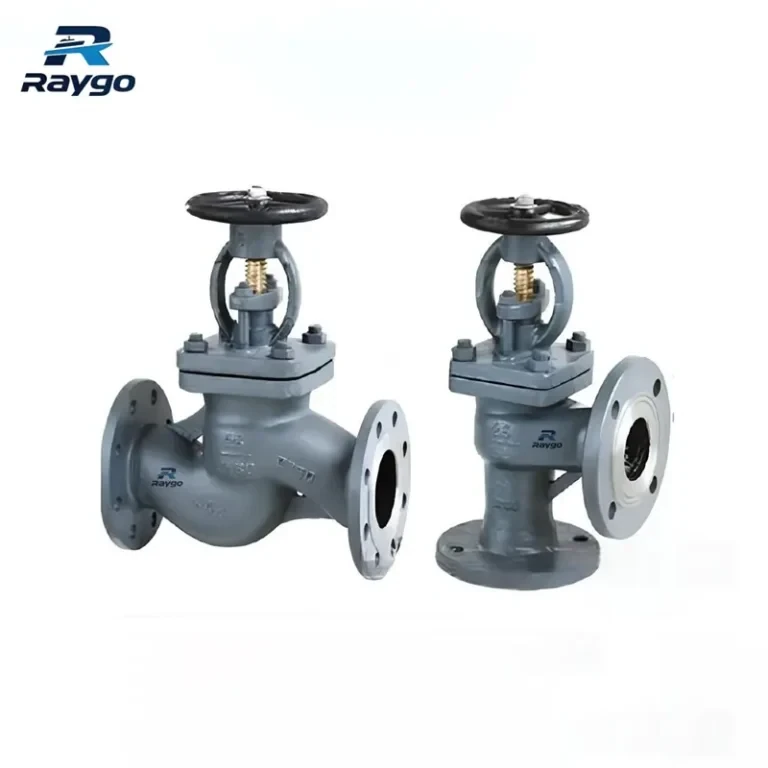
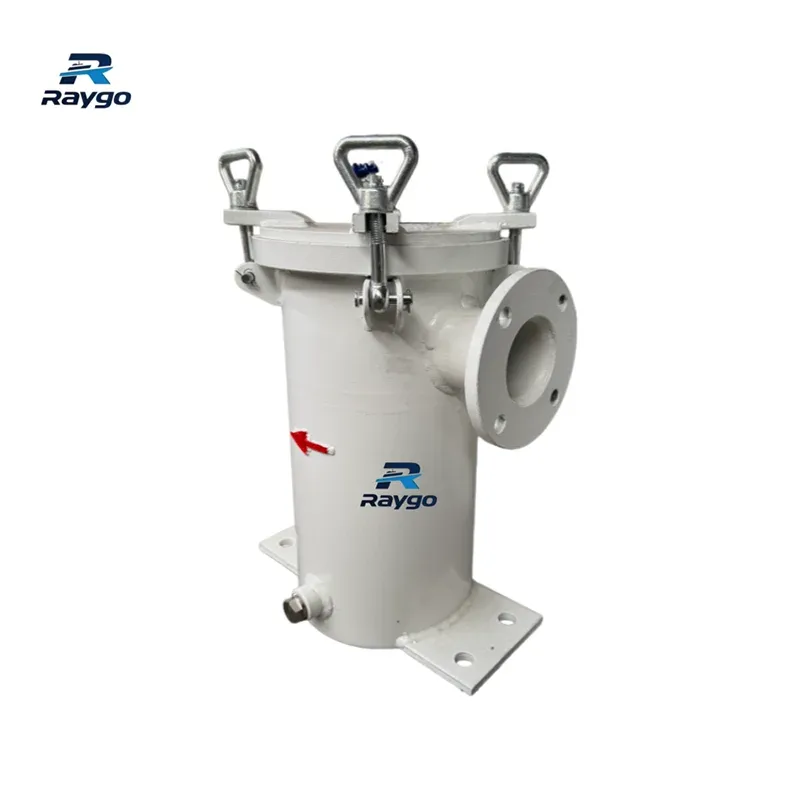
Filter media and seals must be fully compatible with the fluid and operating temperatures. Additionally, confirm if the element is washable, its expected maintenance, and whether sufficient service space and spare parts are available on board. For more configurations, refer to Raygo Marine’s filter product categories.
Conclusion
Frequent clogging of marine filters may be related to contamination sources, operating conditions, or filter element selection. Checking pressure drop changes, the condition of old filter elements, and upstream systems helps pinpoint the cause and reduce repeated clogging.
Need related product information on replacement filter elements or marine filters? You can contact Raygo and provide the equipment model, filter element part number, photos, and working conditions for further verification of suitable options.
FAQ
Why does a new marine filter show high differential pressure?
A high pressure drop in a new filter element may be related to flow rate, medium temperature and viscosity, filter specifications, or installation status. Readings should be compared against the equipment’s normal initial pressure drop under specified operating conditions.
Can a finer filter element cause more frequent clogging?
Yes. A finer filter element may capture more particles, reaching maintenance limits faster when the contamination load is high. However, before changing the filtration rating, you should first confirm the equipment manufacturer’s requirements.
Can water in fuel contribute to filter clogging?
Yes. Under certain storage conditions, accumulated water can promote microbial growth and generate sludge that clogs the filter element. However, clogging can also be caused by other contaminants, so judgments should be made in conjunction with inspection or sampling results.
Why does a marine filter clog again after replacement?
If storage tanks, pipelines, or upstream equipment continuously introduce contaminants, a new filter element may clog quickly again. A mismatch between filter specifications and actual operating conditions can also shorten its service life.
Can I order a replacement filter element without the original part number?
Sometimes. Suppliers may need the equipment model, nameplate, photos of the old filter element, key dimensions, connection type, and working conditions. Whether an accurate match can be made depends on whether the available information is sufficient.