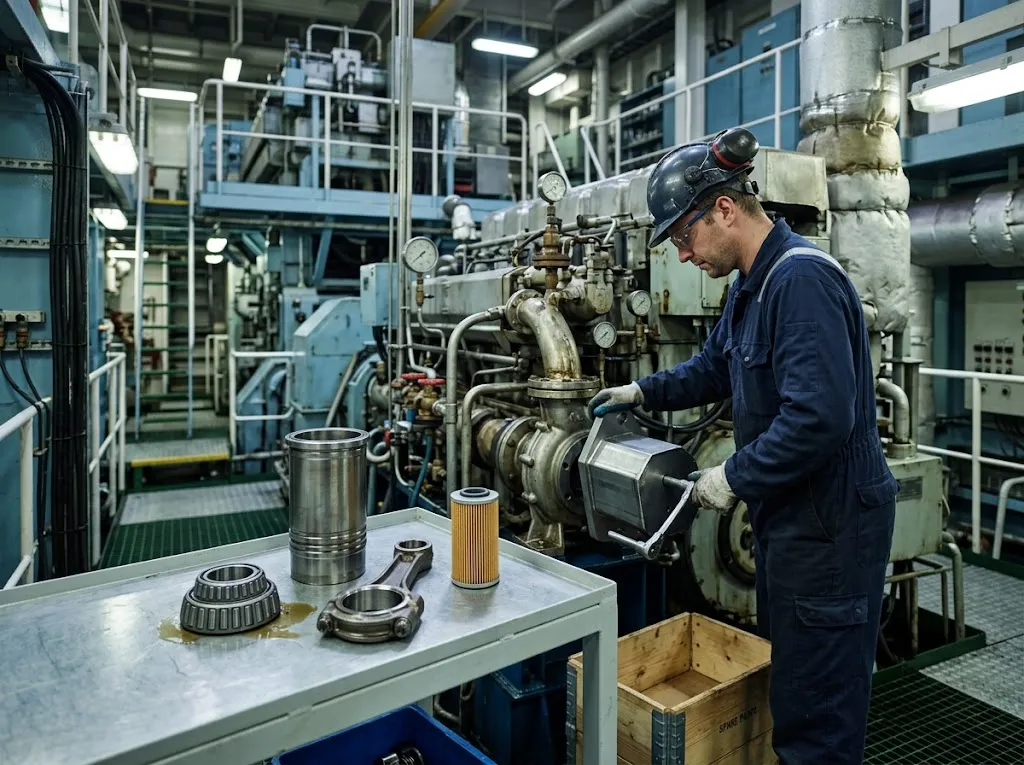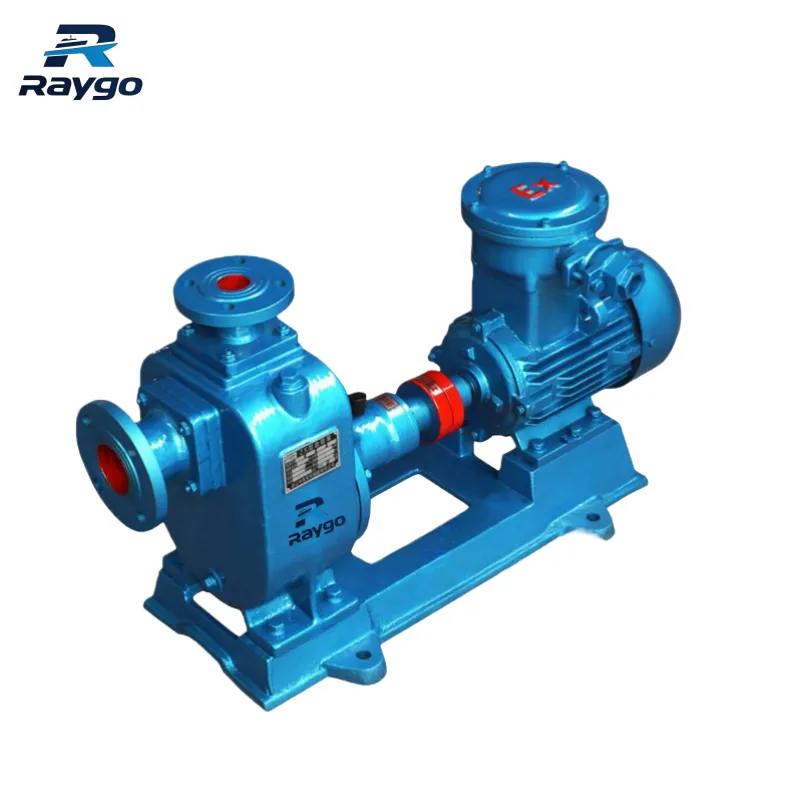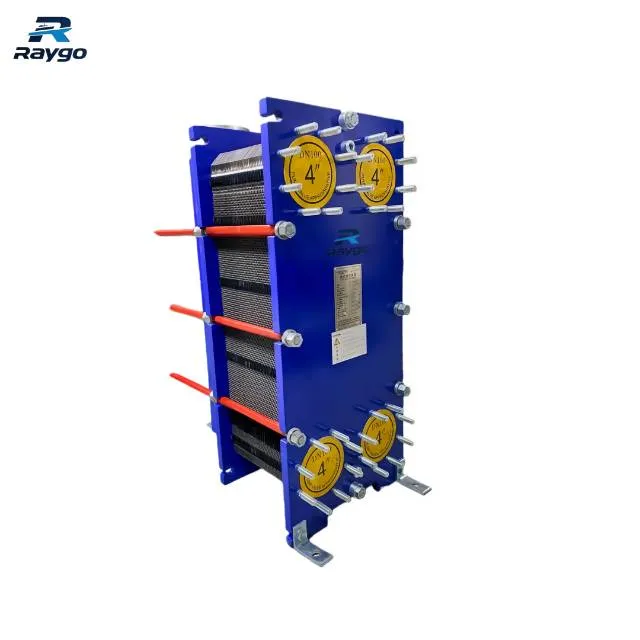
As a leading supplier of marine equipment and spare parts, Raygo Marine Equipment is dedicated to providing specialized marine boiler feed water systems for a wide range of vessels, ferries, offshore platforms, and workboats. Our systems are specifically designed to prevent the aforementioned hazards—namely, the corrosion of boiler tubes by dissolved oxygen and the formation of scale on heating surfaces by hardness minerals—thereby averting impeded heat transfer, excessive fuel consumption, and critical failures such as localized overheating. Raygo holds comprehensive certification from all major classification societies, including ABS, BV, CCS, DNV, LR, KR, RINA, and NK. We are capable of supplying the complete suite of equipment required for marine boiler feed water systems; furthermore, every product has been meticulously designed and optimized to ensure perfect adaptability to the diverse operational conditions encountered by vessels during actual voyages.
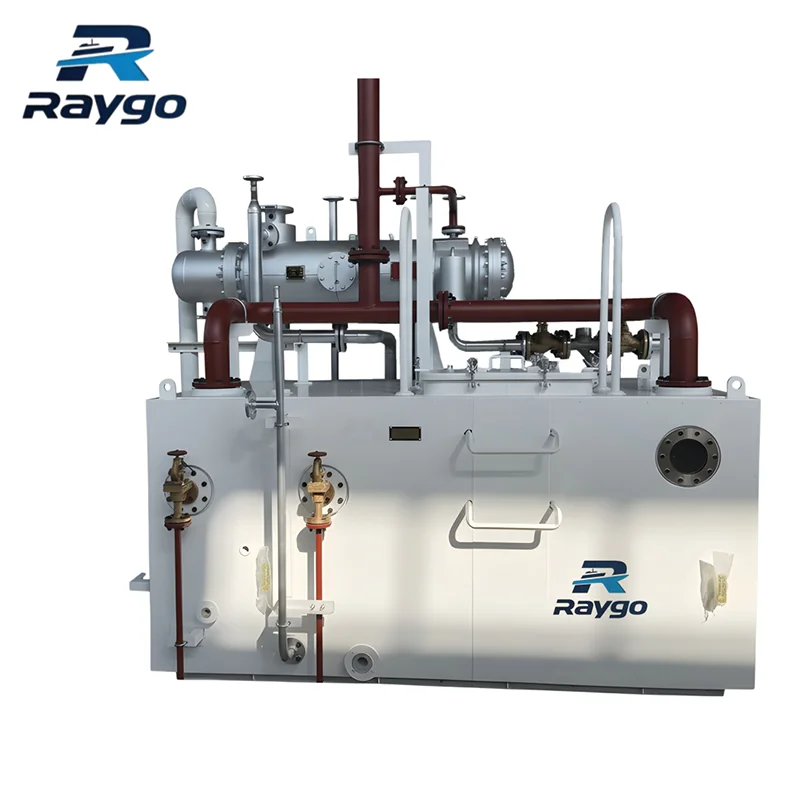
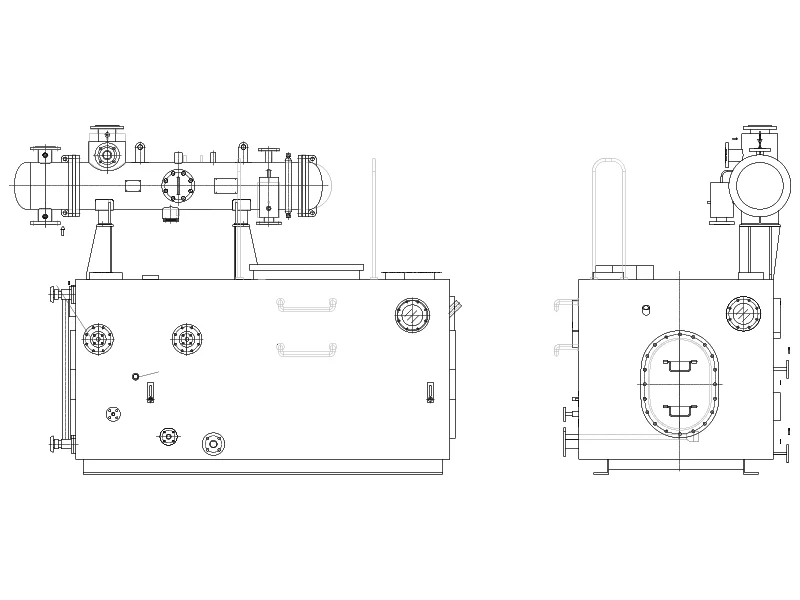
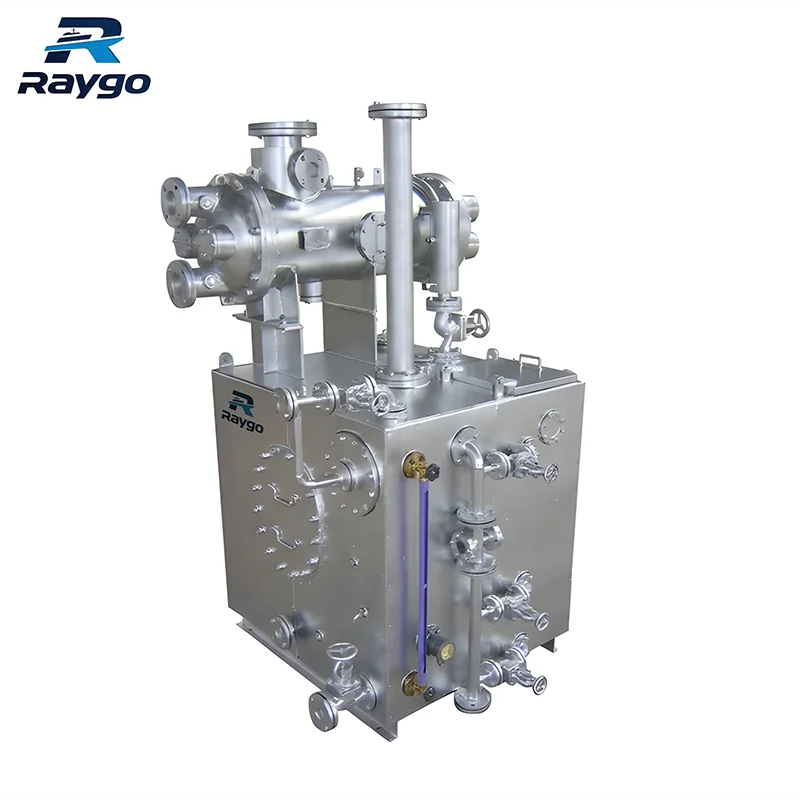
Raygo Marine supplies skid-mounted marine hotwell units from 0.5m³ to 20m³. The unit integrates a hotwell tank, atmospheric condenser, boiler feed pumps, interconnecting piping, valves, instrumentation, and a common base frame. It can be configured according to vessel type, boiler operating conditions, installation space, interface location, component brand, and classification society requirements.
Need a hotwell unit for a newbuild, retrofit, dry dock project, or spare replacement? Send your vessel type, boiler pressure, steam demand, required capacity, voltage, available installation space, connection orientation, and class society requirement. Raygo can help you prepare a suitable technical proposal and quotation.
What Is a Marine Boiler Feed Water System?
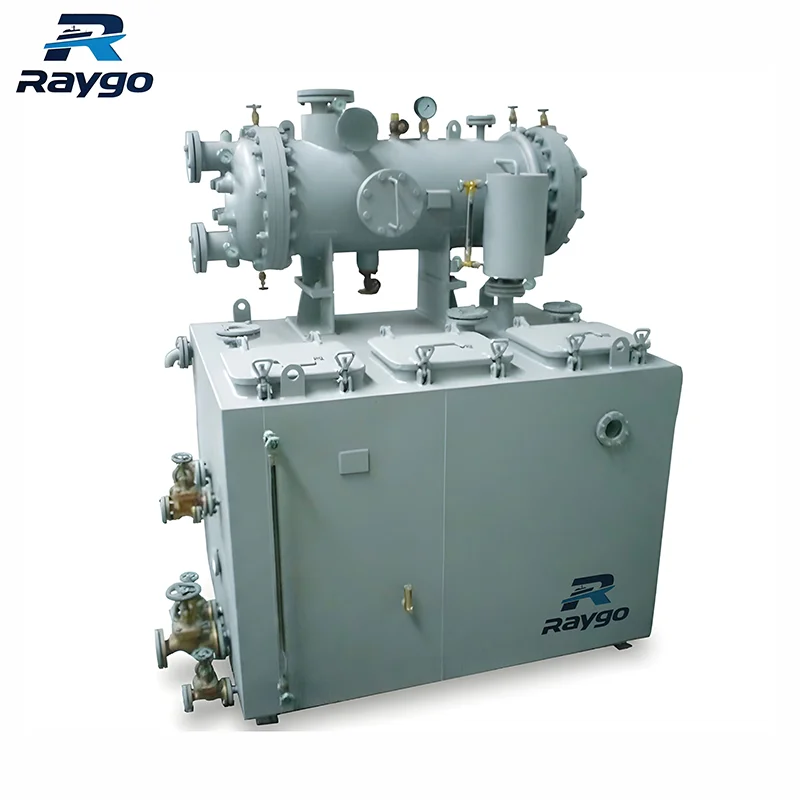
Marine Hotwell Unit | 0.5-20m³
A marine boiler turns water into steam. This process is of great importance because steam powers heating systems, performs fuel conditioning, cargo warming, and other services throughout the ship. Once the steam has done its work, it condenses back into water and must return to the boiler to restart the cycle. The marine boiler feed water system efficiently manages that return. It collects the condensate, removes dissolved oxygen through deaeration in the atmospheric condenser, doses treatment chemicals, such as oxygen scavengers and phosphate compounds, to control pH and prevent corrosion, and pumps the treated water back to the boiler. Same water, same loop, every hour the ship runs.
The hotwell is where things hold together or fall apart. If it is not according to the necessary conditions, for example, if it is too small, then the feed pumps starve. Sometimes oil or solids get in, and they go straight to the boiler. Nobody watches the chemistry, and the scale starts building on the heating surfaces. Fuel consumption creeps up and keeps going until someone pulls the boiler apart to find out why.
Why Boiler Feedwater Quality Matters On Board
Boiler feedwater quality directly affects the safety and efficiency of the marine boiler. If untreated water, oil-contaminated condensate, dissolved oxygen, hardness minerals, or suspended solids enter the boiler, the system may face corrosion, scale formation, unstable heat transfer, pump wear, and unexpected maintenance downtime.
Scale on heating surfaces acts like insulation. Even a thin layer can reduce heat transfer, increase fuel consumption, and create local overheating risks. Corrosion can damage boiler tubes, piping, valves, and pump components. Oil contamination can also disturb water treatment chemistry and create deposits inside the boiler.
A well-designed boiler feed water system helps control these risks by maintaining a stable return-water loop. It supports condensate collection, preliminary filtration, chemical treatment, feed pump protection, and steady water supply to the boiler.
Main Components of a Marine Hotwell Unit
| Component | Function | Procurement / Design Notes |
| Hotwell Tank | Collects steam condensate and provides a buffer volume for boiler feedwater circulation. | Capacity can be selected according to boiler demand, vessel space, and return flow conditions. |
| Atmospheric Condenser | Condenses steam or vapor and supports the feedwater return process. | Useful for stabilizing the return-water system and improving loop efficiency. |
| Boiler Feed Pumps | Draw treated water from the hotwell and pressurize it for return to the boiler. | Pump type, quantity, head, flow rate, and redundancy should match boiler requirements. |
| Filter / Strainer | Helps remove oil, sludge, and solid impurities from condensate before it returns to the boiler. | Filter arrangement should be easy to access for cleaning during routine maintenance. |
| Chemical Dosing Connection | Allows crew to add water treatment chemicals for pH control, oxygen scavenging, and scale prevention. | Chemical program should follow the boiler maker’s guidance and vessel operation requirements. |
| Interconnecting Piping & Valves | Connects tank, condenser, pumps, inlet/outlet interfaces, drains, vents, gauges, and return lines. | Interface orientation can be customized according to ship arrangement drawings. |
| Instrumentation | May include level gauge, thermometer, pressure gauge, and other monitoring components. | Exact instruments should be confirmed according to project and class requirements. |
| Common Base Frame | Supports the complete skid-mounted assembly and simplifies installation on the vessel foundation. | Factory assembly reduces shipyard installation workload and alignment risk. |
How the Marine Boiler Feed Water System Works
1. Steam is generated by the marine boiler and distributed to onboard heating or service systems.
2. After releasing heat, steam condenses and returns as condensate through return lines.
3. The condensate enters the hotwell tank, where it passes through filtration to reduce oil and solid impurities.
4. Water treatment chemicals can be dosed into the hotwell to support pH control, oxygen control, and scale prevention.
5. The hotwell provides a buffer volume, helping feed pumps avoid starvation during load changes.
6. Boiler feed pumps draw treated water from the hotwell and return it to the boiler under the required pressure and flow conditions.
7. The cycle continues during vessel operation, reducing raw make-up water demand and supporting efficient boiler performance.
Applications by Vessel Type
| Application | Typical Use | Procurement Focus |
| Bulk Carriers / Container Ships | Boiler feedwater circulation for auxiliary steam systems, fuel heating, and general ship services. | Focus on reliability, class documentation, and spare-parts support. |
| Tankers / Chemical Carriers | Steam systems for cargo heating, tank cleaning, fuel conditioning, and onboard services. | Focus on stable water quality, corrosion control, and maintenance access. |
| Passenger Ferries / Ro-Ro Vessels | Steam or hot-water related ship services where continuous operation and safety matter. | Focus on compact layout and predictable maintenance. |
| Offshore Platforms / Workboats | Steam and feedwater support for offshore operation environments. | Focus on corrosion resistance, rugged construction, and service support. |
| Ship Repair / Retrofit Projects | Replacement or upgrading of old hotwell units during dry dock or planned maintenance. | Focus on drawing matching, interface customization, and delivery time. |
| Newbuild Shipyards | Integrated hotwell module for new vessel construction. | Focus on certificate support, documentation, inspection and installation efficiency. |
How to Select the Right Marine Boiler Feed Water System
A correct hotwell unit selection starts with the actual steam system, not only the tank volume. Vessel owners and shipyards should confirm boiler type, operating pressure, steam demand, condensate return conditions, installation space, pump requirement, power supply, and classification documentation before placing an order.
| Information to Provide | Examples | Why It Matters |
| Vessel Type | Cargo ship, tanker, ferry, offshore platform, workboat, newbuild or retrofit | Determines application environment and installation constraints. |
| Boiler Type | Oil-fired boiler, exhaust gas boiler, auxiliary boiler or combined steam system | Affects return flow and feed pump selection. |
| Steam Demand | Steam consumers, heating load, cargo heating, fuel heating, domestic services | Helps estimate required capacity and feedwater flow. |
| Hotwell Volume | 0.5m³-20m³ or customized | Should match operation pattern and available space. |
| Pump Requirement | Flow rate, discharge pressure, quantity, redundancy, motor power | Critical for stable boiler drum level and feedwater supply. |
| Power Supply | Voltage, frequency, phase, motor standard | Must match vessel electrical system. |
| Installation Space | Length, width, height, foundation, maintenance clearance | Prevents delivery of a unit that cannot fit onboard. |
| Interface Location | Condensate inlet, feedwater outlet, drain, vent, overflow, dosing point | Should follow ship arrangement drawings. |
| Material Requirement | Carbon steel, stainless steel, coatings, wetted-part material | Depends on chemistry, corrosion risk and class/project requirement. |
| Classification Society | ABS, BV, CCS, DNV, LR, KR, RINA, NK or other required society | Certificate scope must be confirmed before quotation. |
Customization Options for Shipyards and Fleet Owners
Different vessels rarely have identical engine-room layouts. A marine hotwell unit must match the ship’s foundation, pipe routes, maintenance access, and survey requirements. Raygo can support customized engineering based on project drawings and operational requirements.
- Hotwell volume and tank dimensions
- Overall skid layout and base frame arrangement
- Pump flow, head, quantity, and standby configuration
- Component brand selection for pumps, valves and instruments
- External nozzle direction and interface location
- Material and coating requirements
- Inspection, testing and certificate document package
- Packaging, shipping, and spare-parts recommendations
Quality Control, Testing and Documentation
For marine equipment, the product itself is only part of the purchase. Documentation matters because shipyards, shipowners, and class surveyors need clear records for inspection, installation, commissioning, and future maintenance. A complete hotwell unit quotation should clarify the expected testing scope and document package before production.
Important wording: Use “certificate support is available according to project requirements” unless the exact product certificate has been confirmed. Avoid absolute claims such as “certified by all major registries” for every order.
Installation and Commissioning Considerations
A skid-mounted unit simplifies installation, but it still needs correct foundation fixing, piping connection, pump alignment check, electrical connection, instrumentation verification, and system flushing before operation. The shipyard should leave enough access for filter cleaning, pump maintenance, valve operation, inspection covers, and gauge reading.
- Confirm lifting points and transportation route before moving the unit into the engine room.
- Check foundation position, bolt holes, base frame levelness, and vibration considerations.
- Connect condensate return, feedwater outlet, drain, vent, overflow, and dosing interfaces according to approved drawings.
- Verify motor voltage, rotation direction, protection devices, and control wiring before start-up.
- Flush piping to remove welding slag, dirt, and loose particles before operation.
- Check valves, level gauges, filters, pressure gauges, and drain points before commissioning.
- Record operating pressure, temperature, pump current, noise, vibration, and feedwater level during trial operation.
Why Choose Raygo Marine Equipment?
Raygo Marine supplies marine equipment and spare parts for global clients, including marine auxiliary equipment, pumps, valves, ventilation equipment, instruments, fire-fighting equipment, deck equipment, and related spare parts. For boiler feed water systems, this one-stop supply capability can reduce coordination work when the project also requires pumps, valves, filters, gauges, heat exchangers, or other engine-room equipment.
- Marine Equipment Supply Experience: Raygo focuses on marine equipment and spare parts, allowing procurement teams to source related engine-room components from one supplier.
- Integrated Design and Manufacturing Support: The hotwell unit can be supplied as a pre-assembled module with tank, condenser, pumps, valves, piping and base frame.
- Customization for Vessel Layouts: External interfaces, overall dimensions, pump configuration and component brands can be discussed according to ship drawings.
- Testing Before Shipment: Sealing and operational tests help reduce installation and commissioning risks.
- Classification Society Support: Raygo can support classification society certification requirements according to the specific project.
- After-Sales and Spare Parts Support: Raygo can assist with technical questions, spare parts matching and project follow-up after delivery.
Conclusion
A marine boiler feed water system is a critical part of the ship’s steam loop. A properly selected hotwell unit supports condensate return, feedwater treatment, stable pump operation, boiler efficiency, and long-term maintenance planning. For shipyards and vessel owners, choosing a pre-assembled and tested skid-mounted unit can also reduce installation complexity and help ensure that the system matches the vessel’s layout and class requirements.
Request a marine hotwell unit quotation from Raygo Marine. Please send your vessel type, boiler specifications, required capacity, pump requirement, voltage, installation drawing and class society requirement. Raygo will help configure a suitable marine boiler feed water system for your project.