Marine valves are critical for vessel safety. We detail systematic maintenance strategies including daily inspections, lubrication, functional testing, and quality control practices.
Marine valves serve as vital control points on any vessel. Their maintenance is a critical link in ensuring safe operations. Systematic management is necessary to prevent failure. Below is a summary of practical strategies for effective upkeep.
Daily Inspection and Cleaning.
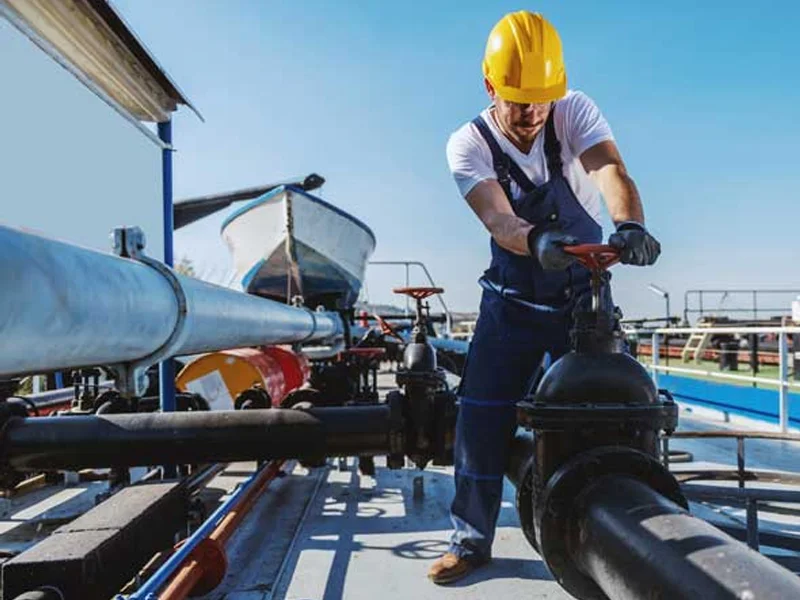
Regular checks prevent small issues from becoming big problems. Inspect the valve body and sealing rings frequently. Pay attention to the condition of actuators. Mechanical wear requires close monitoring. Cleanliness matters. Remove dirt, debris, and corrosion products. Avoid cleaning agents that might damage specific valve materials.
Lubrication and Part Maintenance.
Moving parts need consistent lubrication. Choose oils that suit the marine environment. Apply the lubricant evenly. Consumable parts like sealing rings wear out over time. Replace them based on their condition. This action keeps the valve flexible and maintains a tight seal.
Managing Environmental Impact.
Ships operate in harsh conditions. Valves face constant exposure to humidity and corrosive saltwater. Anti-corrosion coatings provide essential protection. Preventing water accumulation reduces rust risks. Manage how temperature changes affect materials to improve stability in rough weather.
Functional Testing.
Testing verifies that the equipment works when needed. Conduct air tightness and leakage tests regularly. Simulate real working conditions to check switch operations. Safety valves demand stricter protocols. Perform a comprehensive inspection at least once a year. This includes dynamic and disassembly checks. Discharge pressure should exceed 80% of working pressure.
Training and Record Keeping.
Crew members need technical skills. Training on valve principles and fault handling improves maintenance quality. Keep detailed records. Log the time, content, and results of every inspection. Good data helps track valve status and speeds up response times during emergencies.
Quality Control in Repair.
Repairs must follow standard procedures. Install components correctly and tighten them securely. Poor repair work leads to accidents. Use certified spare parts. Test the assembly thoroughly after fixing it. This step eliminates hidden risks and guarantees reliability.