Marine valve selection affects isolation, flow regulation, backflow prevention, pressure control and safety across shipboard piping systems. Selecting a valve only by pipe diameter can cause excessive pressure drop, leakage, poor control performance, material incompatibility or premature wear.
A practical marine valve selection should consider valve function, fluid properties, working and design pressure, temperature, flow condition, connection standard, material compatibility, actuation, maintenance access and vessel or class requirements.
Main Functions of Marine Valves
- Isolation for normal operation or maintenance.
- Flow regulation where throttling is required.
- Backflow prevention in one-way flow systems.
- Pressure control and overpressure protection.
- Safety and emergency isolation.
Common Marine Valve Types and Their Functions
| Valve type | Main function | Typical use | Selection note |
|---|---|---|---|
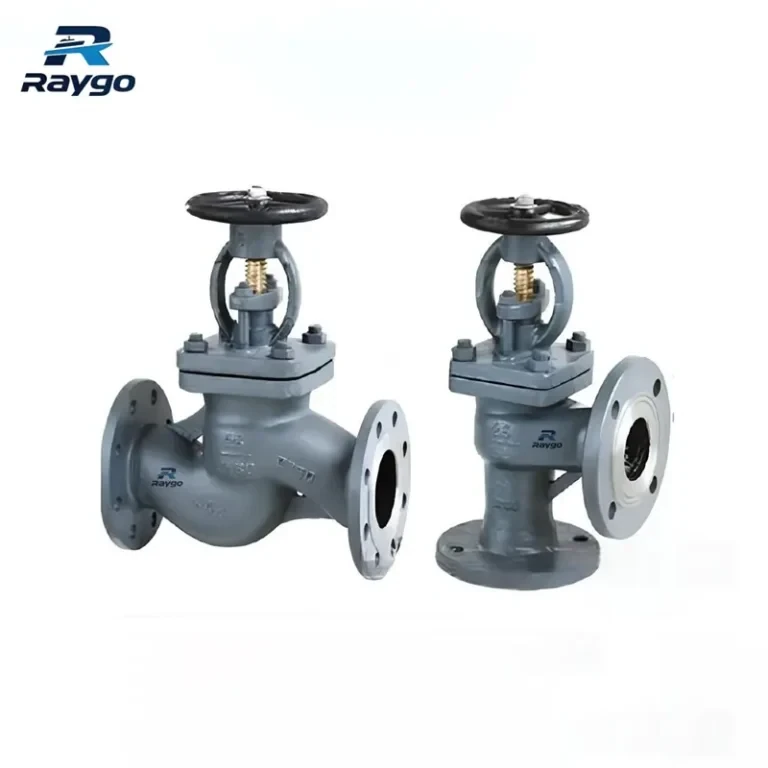
| Globe valve | Flow regulation and isolation | Fuel, cooling water and steam | Higher pressure drop; flow direction may matter. |
| Gate valve | Low-resistance isolation | Large lines normally fully open or closed | Not generally preferred for throttling. |
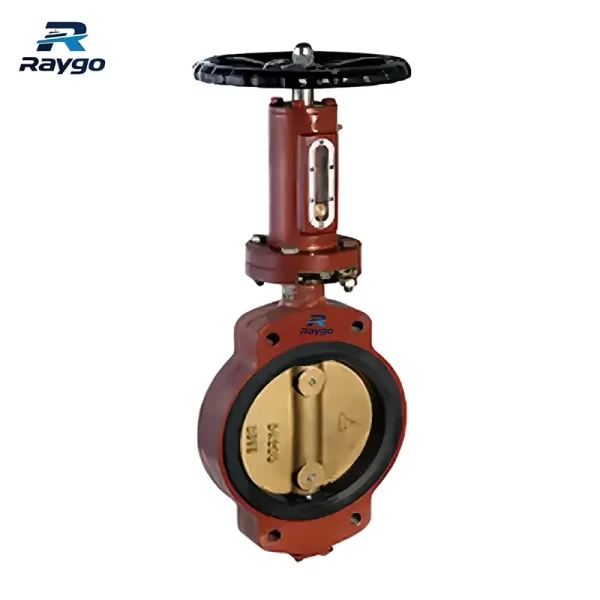
| Butterfly valve | Compact isolation or control | Ballast, seawater and cooling water | Check liner, disc, torque and pressure limits. |
| Ball valve | Quarter-turn isolation | Fuel, freshwater, sanitary and air | Check seat, fire-safe and rating requirements. |
| Check valve | Backflow prevention | Pump discharge, bilge and boiler feed | Evaluate closing characteristics and surge risk. |
| Pressure-reducing valve | Downstream pressure regulation | Steam, air and freshwater | Verify set pressure, capacity and range. |
| Safety or relief valve | Overpressure protection | Boilers and pressure vessels | Verify set pressure and relieving capacity. |
Shipboard Systems and Valve Selection
| System | Common options | Key concerns |
|---|---|---|
| Seawater cooling | Butterfly, gate, globe | Corrosion, galvanic compatibility, pressure drop and torque. |
| Ballast | Butterfly, gate | Large DN, actuation and class requirements. |
| Bilge | Gate, butterfly, check | Debris, backflow, accessibility and corrosion. |
| Fuel oil | Globe, ball, gate | Temperature, seals and fire-safety requirements. |
| Steam | Gate, globe, PRV | Pressure, temperature, seats and packing. |
| Sewage and wastewater | Ball, butterfly, check | Solids, clogging, corrosion and cleaning access. |
Marine Valve Selection: Key Parameters Before Selecting a Valve
- Valve function and medium.
- DN/NPS, pipe schedule, working pressure, design pressure and PN/Class.
- Normal and maximum operating temperature.
- Flow rate, allowable pressure drop and Cv/Kv where required.
- Body, bonnet, trim, stem, disc, ball, gate, seat, seal and packing materials.
- Connection standard such as JIS, DIN/EN or ASME/ANSI.
- Face-to-face dimensions, installation orientation and maintenance access.
- Actuation type, fail position, leakage and fire-safe requirements.
- Applicable class, vessel-owner and project specifications.
Pressure Class, Flow Capacity and Pressure Drop
Isolation valves are assessed for pressure class, bore, pressure drop and mechanical suitability. Throttling and control valves may require Cv/Kv sizing and a closer review of pressure ratio and operating range. Large pressure drops can create noise, vibration, flashing or cavitation and should be evaluated from actual operating conditions.
Material Selection for Marine Service
Material selection should consider the medium, chloride level, temperature, pressure, corrosion mechanism, galvanic compatibility and project requirements. Depending on the service, materials may include cast iron, cast steel, bronze, aluminium bronze, stainless steel, duplex stainless steel or other approved alloys. Final suitability must be confirmed for the actual service condition.
Actuation and Replacement Considerations
Manual operation is suitable for many local valves. Pneumatic, hydraulic or electric actuation may be needed for remote operation, automatic control or vessel automation. Confirm actuator torque, power or air supply, control signal, fail position and local override requirements.
- Repeated corrosion or seat damage indicates that material or seat design should be reviewed.
- A retrofit may change space, piping layout or actuation requirements.
- Replacing a gate valve with a butterfly valve requires confirmation of rating, shutoff performance, pressure drop, dimensions and acceptance.
- Changing from a soft seat to a metal seat should be based on temperature, abrasive service, leakage and cycling conditions.
Marine Valve Replacement Checklist
| Information | What to provide |
|---|---|
| Valve and medium | Type, fluid composition and relevant solids or corrosiveness. |
| Size, pressure and temperature | DN/NPS, working/design pressure, PN/Class and operating temperature. |
| Materials and connection | Body, trim, seat, seal, packing and connection standard. |
| Dimensions and actuation | Face-to-face, installation space, actuator and fail position. |
| Identification and certification | Manufacturer, model, nameplate, photos, drawings and certificate requirements. |
Frequently Asked Questions
What is the difference between a gate valve and a globe valve?
A gate valve is generally used for low-resistance isolation when fully open. A globe valve is more suitable for throttling or flow regulation because of its internal flow path and controllability.
Can a gate valve be replaced by a butterfly valve?
Sometimes, but not by size alone. Rating, shutoff requirement, pressure drop, materials, dimensions, actuator torque and project requirements must be checked.
Which valve materials are suitable for seawater?
Material selection depends on chloride exposure, temperature, pressure, galvanic compatibility and project requirements. Bronze, aluminium bronze, stainless steel, duplex stainless steel or other approved alloys may be considered.
Is DN size enough to select a replacement valve?
No. Pressure class, temperature, materials, connection standard, dimensions, valve function and actuation must also be confirmed.
Conclusion
Marine valve selection should be based on function, fluid properties, pressure, temperature, flow characteristics, material compatibility, connection standard, actuation requirements and applicable vessel or class specifications. A documented marine valve selection should also be matched to IMO conventions and the vessel owner’s requirements. See Raygo marine valve products for related equipment options.