Replacing a marine filter is rarely as simple as matching a part number.
A correct marine filter replacement must fit the existing housing, handle the operating fluid and conditions, provide the required filtration performance, and use compatible sealing and structural materials. Even when two elements have similar dimensions or the same stated micron rating, they may not be interchangeable.
Before ordering a marine replacement filter, verify the application, equipment and housing data, dimensions, flow conditions, micron rating, media, seals, bypass arrangement, and documentation requirements.
This guide explains how to collect and compare that information before requesting a quotation or approving a replacement.

Why a Part Number May Not Be Enough
An OEM part number is the best place to start, but it should not always be treated as final proof of compatibility.
Marine equipment may have been repaired, retrofitted, rebranded, or fitted with a replacement filter housing during its service life. The current housing may no longer match the original purchasing record or engine documentation.
Identification problems are also common when the nameplate is unreadable, previous orders used an unverified cross-reference, several vessels use different brands, or the original element has been modified or discontinued.
For this reason, a part number should be checked against the physical element, filter housing, application, and operating requirements.
Identify the Filter Application First
The first step is to define what the filter is doing. A replacement element for lubricating oil cannot be selected using exactly the same criteria as an intake-air filter, compressed-air element, hydraulic oil element, fuel oil element, or basket strainer.
- What fluid or air passes through the filter?
- Which engine, machine, or auxiliary system uses it?
- Is the filter installed on a main line, return line, pressure line, bypass line, or ventilation system?
- Is the element intended for fine filtration, prefiltration, separation, or coarse straining?
- Is the system simplex, duplex, or another housing arrangement?
- Can the system be shut down during replacement?
These answers determine which specifications are critical. Oil filters may require careful verification of viscosity, temperature, differential pressure, bypass arrangement, and seal compatibility. Air filters may require airflow, pressure-loss, dust-loading, humidity, temperature, and any required flame-retardant performance.
1. Verify the OEM Number, Equipment, and Housing Data
Collect all available identification information before comparing products:
- Engine or equipment manufacturer and model
- Filter housing manufacturer, model, or casting number
- OEM filter element number and previous supplier number
- Vessel name or internal equipment reference
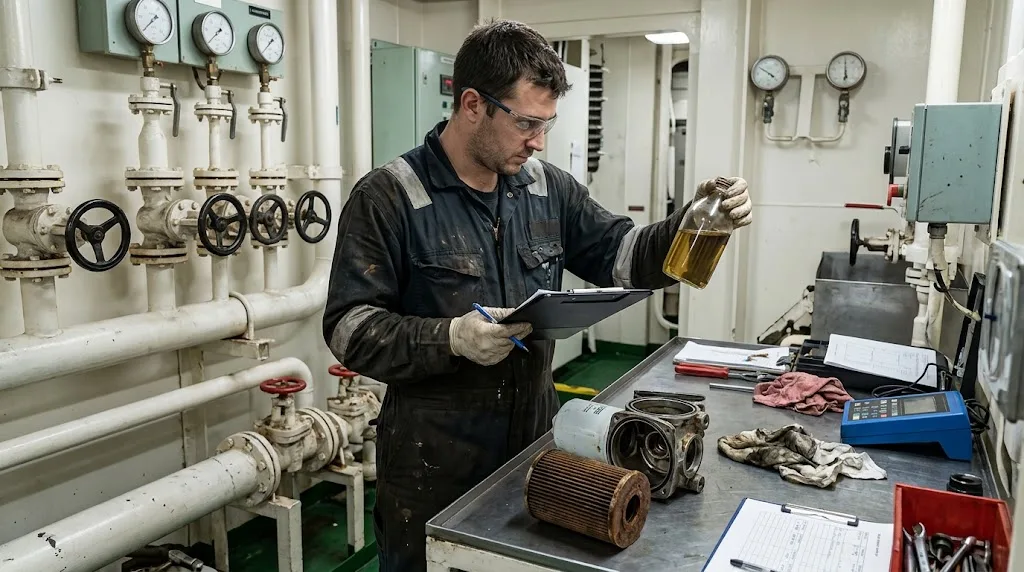
- Photos of the housing nameplate and all markings on the old element
Do not photograph only the outside of the element. Include the top, bottom, sealing surfaces, connection, center opening, end caps, and any internal valve or spring arrangement.
When the OEM number and physical element do not agree, investigate the actual housing and installed element before approving a replacement.
2. Measure the Element and Connection Details
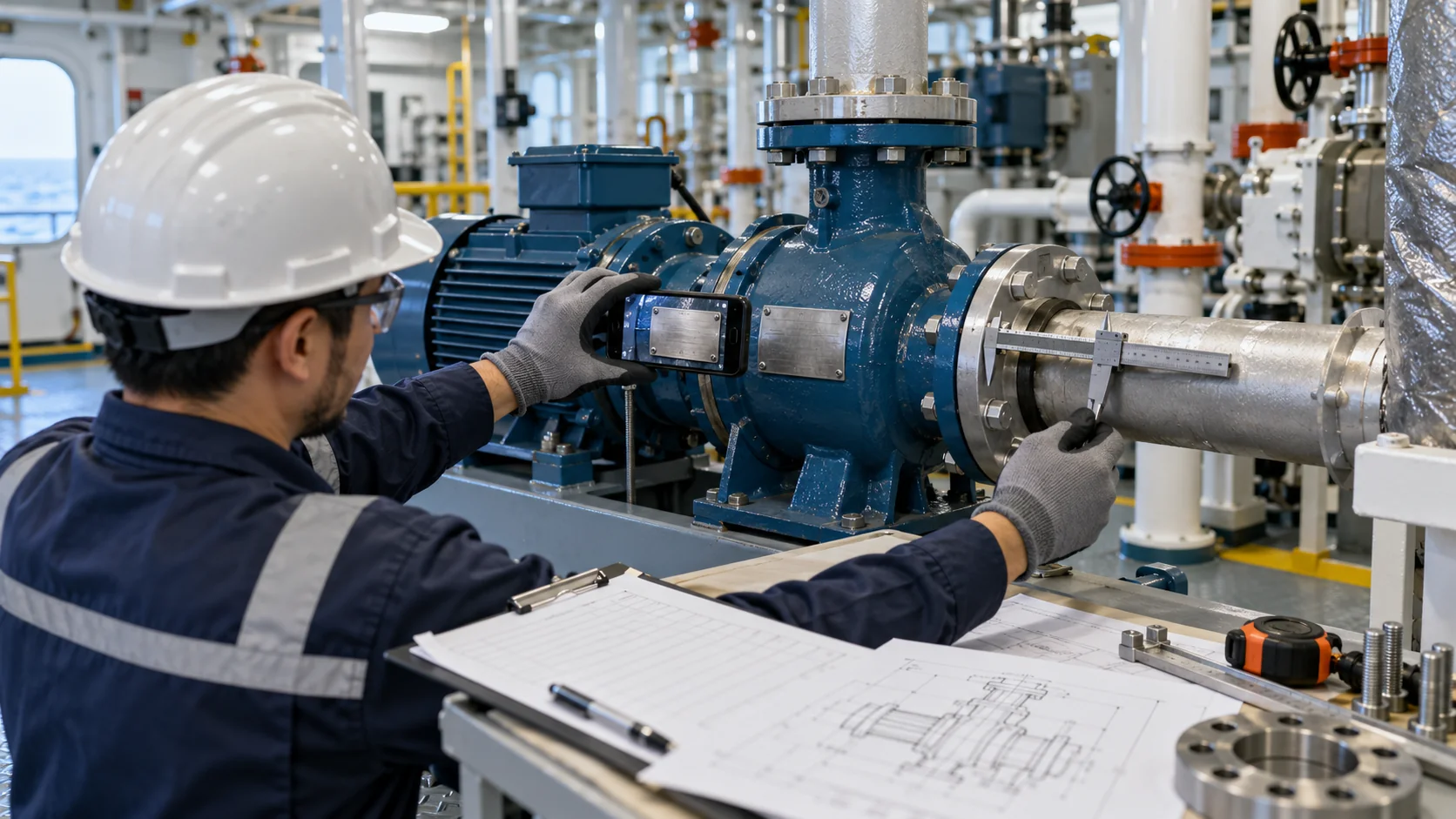
A replacement that has the correct outside diameter may still fail to seal or install correctly. Measure or provide a drawing showing:
- Overall length, outside diameter, and inside diameter
- Thread size and type, flange dimensions, bolt-hole quantity, and spacing
- End-cap shape and open-end or closed-end arrangement
- Gasket position, sealing diameter, and seal profile
- Center tube, handle, spring, or locating features
- Flow direction, if marked
Use calibrated measuring tools when practical. Include a ruler or scale in photographs, but do not rely on a photograph alone for critical dimensions. For irregular or obsolete elements, a dimensional drawing or physical sample may be required.
3. Confirm Flow, Pressure, Temperature, and Differential Pressure
Physical fit does not prove operating compatibility. The replacement must also work within the hydraulic or airflow conditions of the system.
- Required flow rate or air volume
- Normal and maximum operating pressure
- Normal and maximum operating temperature
- Fluid viscosity, where relevant
- Initial clean-element pressure drop
- Allowable, alarm, or change-out differential pressure
- Expected contamination load and service interval
An element with insufficient flow capacity may create excessive pressure loss. A very open structure may reduce pressure drop but may not provide the required contamination control. The correct balance depends on the equipment and operating conditions.
4. Compare Micron Rating and Filtration Efficiency
A stated micron rating should never be compared without understanding how it was defined. Two elements described as “25 micron” may provide different filtration performance because the rating may be nominal, absolute, linked to a specified efficiency, or based on a different test method.
Ask the supplier to identify the filtration rating basis and, where relevant, the efficiency at the specified particle size.
A finer micron number is not automatically better. Finer filtration may increase pressure drop or shorten the service interval if the element does not have sufficient media area and contamination capacity. The replacement should match the system requirement rather than simply use the smallest available micron rating.
5. Select the Appropriate Filter Media
Filter media affects filtration efficiency, pressure drop, service life, cleanability, temperature resistance, and fluid compatibility.
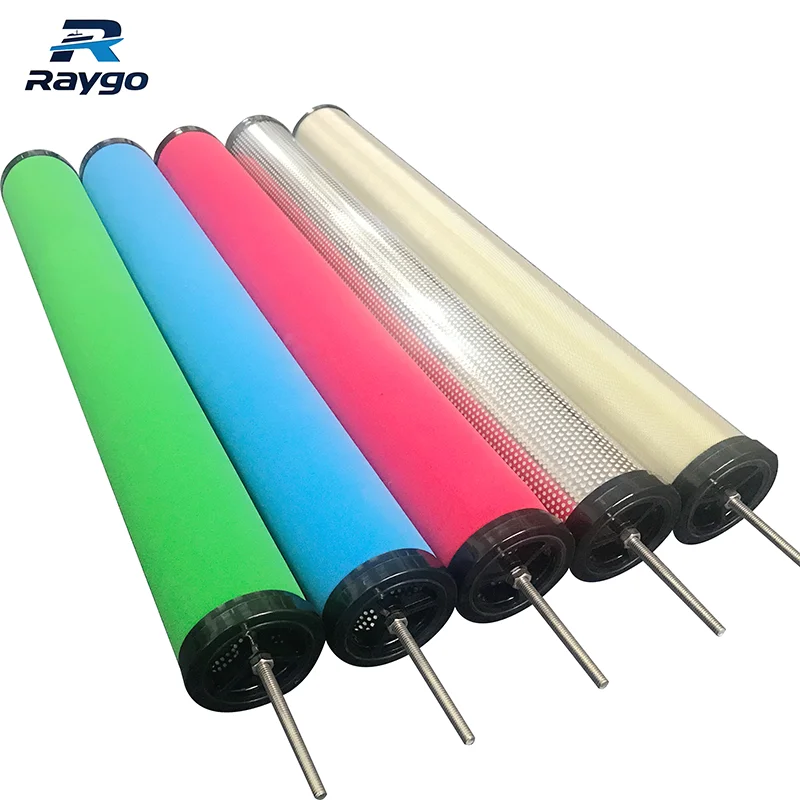
Pleated Glass-Fiber Media
Often considered when finer filtration and increased media area are required. Compatibility still depends on the fluid, support structure, temperature, pressure, and element design.
Pleated Synthetic or Cellulose-Based Media
May be suitable for general filtration applications, depending on moisture exposure, temperature, required efficiency, and operating fluid.
Stainless-Steel Wire Mesh
Commonly considered when cleanability, mechanical durability, or material compatibility is important. Filtration grade and contamination capacity must still be verified.
Wire-Mesh Disc and Basket Construction
These constructions may be used for reusable filtration, straining, or prefiltration. They should not be treated as automatic substitutes for a fine pleated element.
Do not substitute one media type for another only because the dimensions are similar. A washable metal element and a disposable pleated element may differ significantly in efficiency, pressure-drop behavior, contamination capacity, cleaning method, and maintenance interval.
6. Check Gasket and Seal Compatibility
The gasket is a functional part of the filtration system, not a secondary accessory. Confirm the seal material, dimensions, profile, location, operating fluid, temperature range, and whether the seal is supplied with the element.
Common sealing materials have different resistance to oils, fuels, heat, water, and chemicals. When the original material is unknown, provide the operating fluid and temperature range rather than asking the supplier to select from dimensions alone.
7. Confirm the Bypass Arrangement
The bypass valve may be built into the filter element, integrated into the housing, or not required for a particular design.
- Whether a bypass valve is present
- Whether it is located in the element or housing
- The specified opening or cracking pressure
- The direction of operation
- Whether an anti-drainback or another valve is incorporated
Do not assume that bypass pressure is standardized across filters of a similar size. The requirement should be confirmed against the equipment documentation or original design.
8. Review Structural and Installation Details
The filter media is only one part of an element. The replacement may also need to match the center tube, end-cap material, support structure, joining method, collapse or burst requirement, spring loading, handle, flow direction, and installation orientation.
For high-pressure or high-differential-pressure applications, structural strength should be confirmed rather than inferred from appearance. For cleanable elements, request the approved cleaning method, inspection criteria, and replacement limits.
9. Confirm Certificate and Documentation Requirements
A general statement that a product is “class approved” is not enough for procurement. Clarify what documentation the vessel, owner, shipyard, or project requires.
- Product certificate or classification document
- Manufacturer inspection document or test report
- Material certificate
- Declaration of conformity
- Dimensional drawing and filtration statement
- Packing list and traceability information
When a classification document is required, check the issuing organization, certificate number, named manufacturer, named product and model, scope, limitations, issue and current status, and whether the document applies to the supplied item.

Comparing Marine Filter Replacement Options
Original OEM Element
Consider this route when the exact current part number is available and the original specification remains valid. Confirm the current part-number status, documentation, delivery scope, and actual housing compatibility.
Verified Cross-Reference Element
Consider this route when an equivalent replacement is available and the comparison can be documented. Verify dimensions, media, seals, micron performance, pressure conditions, valve arrangement, and certificates.
Custom-Made Replacement
Consider this route when the original element is obsolete, unidentified, modified, or unavailable. A complete drawing or sample, operating data, acceptable tolerances, materials, testing, quantity, and approval process may be required.
No route is automatically suitable for every order. A database cross-reference should not replace technical verification, and a custom element should not enter production until critical information and assumptions have been confirmed.
Simplex and Duplex Filter Systems
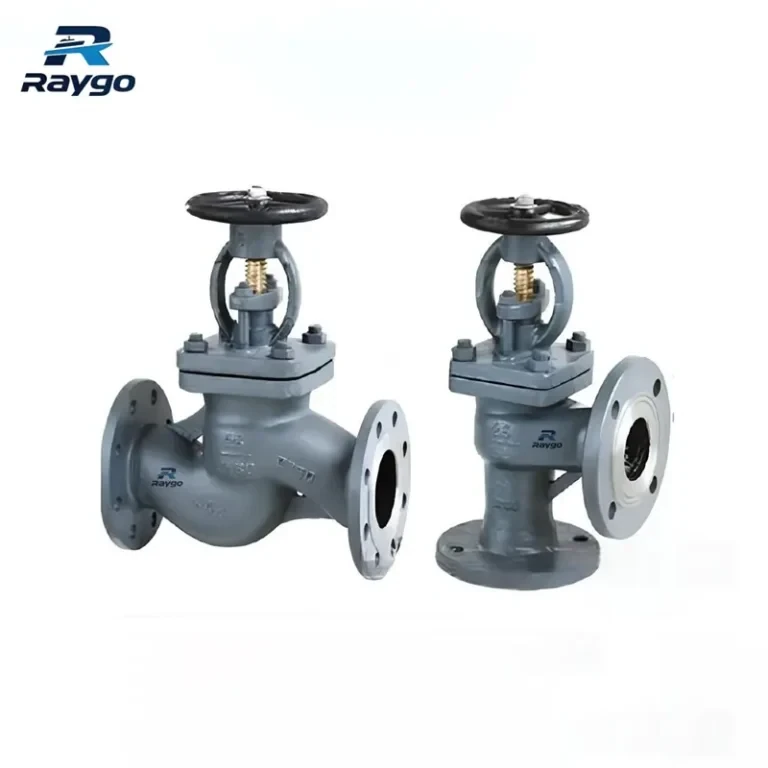
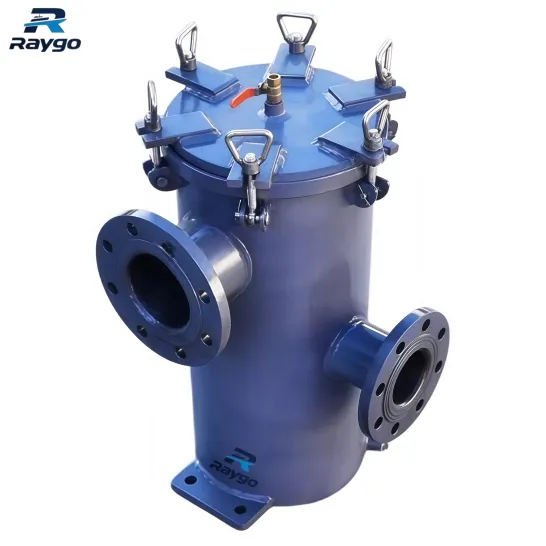
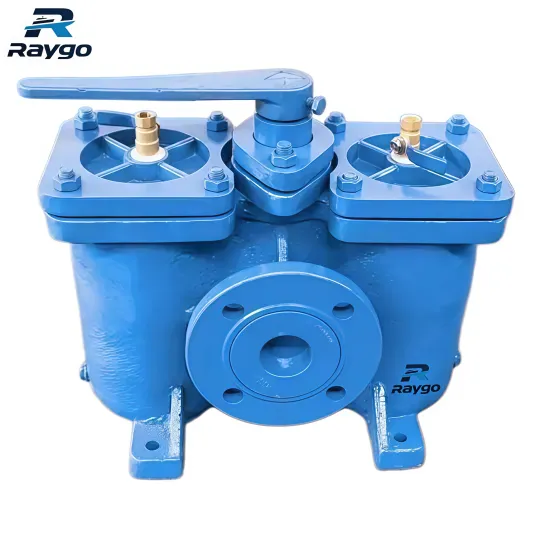
Simplex and duplex describe the filter housing arrangement rather than one universal element design. A simplex system normally uses one active chamber. A duplex system generally uses two chambers and a changeover mechanism, which may allow one chamber to be serviced while the other remains in operation, depending on the system design.
When replacing elements in a duplex housing, confirm whether both chambers use the same element, whether the orientation is identical, whether valve seals or service kits are required, and whether the changeover and pressure indication are functioning correctly.
What Affects the Price of a Replacement Marine Filter?
A reliable quotation requires more than a part number. Price may be affected by element dimensions, construction complexity, filter media, micron rating, filtration efficiency, media area, structural materials, seal material, pressure and temperature requirements, internal valves, testing, certificates, quantity, packaging, delivery urgency, shipping method, and destination.
When two quotations appear to describe the same filter, compare the stated media, materials, efficiency, valve arrangement, documentation, and packaging scope before comparing the total price.
Shipping, Packaging, Installation, and Support
Before Shipment
Confirm the approved part number or drawing, quantity, dimensions, media, filtration rating, seal material, required certificates, labels, packing list, and any supplied gaskets or service parts.
Packaging
Packaging should protect pleated media from crushing, sealing surfaces from deformation, threads and flanges from impact, and metal parts from moisture or corrosion. When several vessels or models are included, each package should be clearly identified.
Installation
Installation should follow the safety and maintenance procedures specified by the equipment manufacturer. Before installation, isolate and depressurize the housing as required, compare the new and old elements, inspect seating surfaces, confirm the gasket, flow direction, and orientation, and remove all transport protection.
After startup, check for leakage, abnormal pressure drop, alarms, and other signs of incorrect installation.
Maintenance and After-Sales Questions
Before ordering, ask what support is available for installation instructions, cleaning procedures, storage, replacement seals, technical clarification, non-conformity reporting, warranty terms, traceability, and repeat orders. Do not assume that onboard service, training, remote guidance, or spare seals are included unless stated in the quotation.
Common Marine Filter Replacement Mistakes
1. Ordering from an old purchasing record without checking the installed housing
2. Matching only the OEM number
3. Measuring only outside diameter and length
4. Treating nominal and absolute micron ratings as equal
5. Ignoring flow rate and differential pressure
6. Selecting a finer element without checking pressure loss
7. Replacing pleated media with wire mesh without system approval
8. Assuming all seals are oil-resistant
9. Ignoring the bypass arrangement
10. Accepting a general certificate without checking its scope
11. Approving production without a confirmed drawing
12. Mixing elements for different vessels in one unlabelled shipment
Marine Filter Replacement RFQ Checklist
Prepare the following information before requesting a compatibility review or quotation:
- Filter application and filtered fluid or air
- Vessel, engine, equipment, and housing reference
- OEM or previous part number
- Clear photos of the housing, nameplate, and old element
- Element dimensions or technical drawing
- Thread, flange, end-cap, and sealing details
- Required flow rate or capacity
- Operating pressure, temperature, and differential-pressure requirements
- Micron rating, efficiency, media, and seal material
- Bypass or valve arrangement
- Certificate and documentation requirements
- Required quantity, delivery destination, and required schedule
The more complete this information is, the easier it is to identify technical differences before production or shipment.
Frequently Asked Questions
Can I order a replacement using only the OEM part number?
The part number is a useful starting point, but it should be confirmed against the current housing, installed element, application, and operating conditions, especially when the equipment has been modified or the record is old.
Are two filters interchangeable if they have the same micron rating?
Not necessarily. Confirm whether the rating is nominal or absolute, the filtration efficiency, test basis, media, flow conditions, pressure drop, and contamination capacity.
Can a stainless-steel mesh element replace a pleated filter?
Only after the required filtration performance, pressure drop, flow capacity, cleaning method, and housing design have been reviewed. Similar dimensions do not make the two constructions equivalent.
What should I provide if the nameplate is unreadable?
Provide clear photos of the housing and old element, all visible markings, complete dimensions, the equipment model, operating fluid, and known operating conditions. A physical sample or dimensional drawing may also be required.
Do all marine replacement filters require a classification certificate?
No single documentation requirement applies to every vessel or application. Confirm the owner, shipyard, flag, class, project, and purchasing requirements before ordering.
Why do quotations for similar-looking elements vary?
Differences may result from media, filtration efficiency, materials, seals, construction, testing, certification, quantity, packaging, customization, and shipping scope.
Requesting a Compatibility Review
To request a model check or quotation, include the application, filtered fluid or air, engine or housing model, OEM number, clear photos, measured dimensions or drawings, required flow or capacity, filtration rating, operating pressure and temperature, certificate requirement, order quantity, and destination country.
Any missing specification or technical assumption should be confirmed before the replacement element enters production or is approved for shipment.