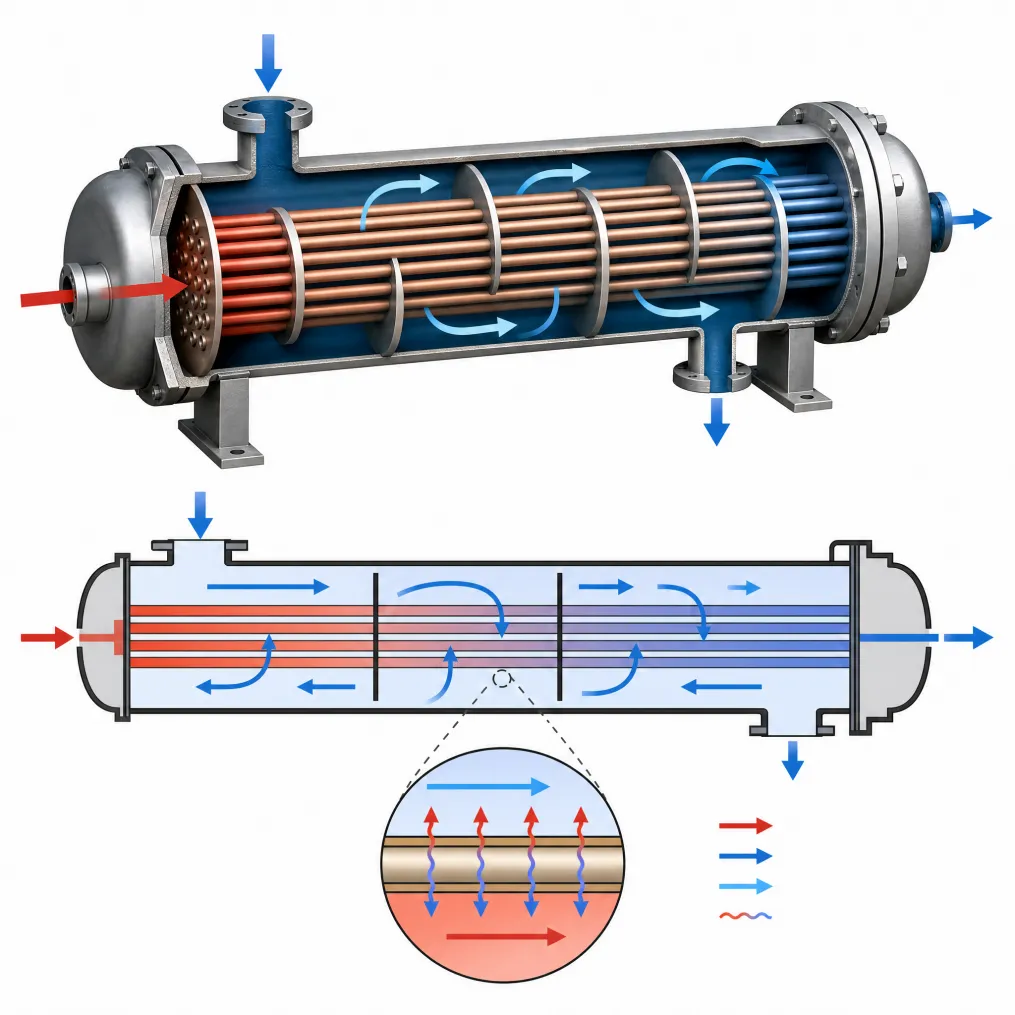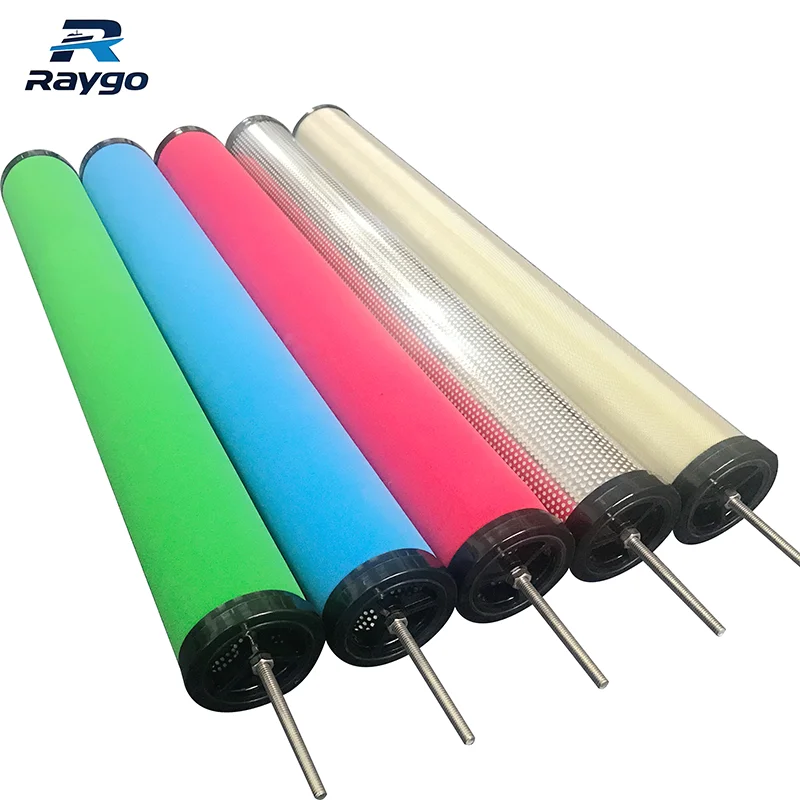
Marine oil filters are often treated as relatively small components, but their condition directly affects oil cleanliness, lubrication reliability, and equipment protection.
In shipboard applications, marine oil filters commonly include lubricating oil filters, hydraulic oil filters and fuel oil filters. Depending on the system, they may remove wear particles, sludge, carbon deposits and other contaminants before the oil reaches bearings, journals, pumps, gears, control valves and other sensitive equipment.
A filter should not be selected by appearance or connection size alone. Oil type, viscosity, operating temperature, flow rate, working pressure, differential pressure, filtration rating, filter media, bypass arrangement, seal material and maintenance requirements all affect whether the filter will operate correctly in the actual system.
This guide explains how marine oil filters work, how different filter types are classified, what high differential pressure means, which warning signs should be monitored, and what technical data should be provided when selecting or replacing a filter.
What Does a Marine Oil Filter Do?
In a typical marine lubrication system, oil is drawn from the sump or drain tank, circulated by pumps, passed through cooling and filtration equipment, supplied to lubrication points and then returned to the system.
The exact arrangement varies between vessels and equipment, but the purpose of filtration remains the same: to control contamination before it reaches components with small operating clearances.
If a filter is undersized, severely blocked, incorrectly rated or fitted with an unsuitable element, oil cleanliness may deteriorate and equipment wear may increase.
Marine oil filters may be configured for lubricating oil, hydraulic oil or fuel oil. However, the final filter configuration should always be checked against the actual oil type, viscosity, pressure, temperature, required filtration accuracy and system operating conditions.
Common Contaminants in Marine Oil Systems
| Contaminant | Technical Meaning |
| Wear metals | Iron, copper and other metallic particles may originate from bearings, gears, pumps, liners or other moving components. A rising metal trend may indicate equipment wear rather than a filter problem alone. |
| Soot and carbon deposits | Combustion by-products and operating conditions may increase contamination loading and shorten filter service life. |
| Sludge and varnish | Oil oxidation, ageing and heat can form deposits that reduce cleanliness and increase filter restriction. |
| Water | Water may enter through condensation, leakage, cooler problems or contaminated oil handling and can contribute to corrosion and reduced lubrication performance. |
| Fuel dilution | Fuel entering lubricating oil can change viscosity and affect lubrication-film strength. |
| External debris | Dust and particles may enter during maintenance, oil transfer or through system openings. |
Understanding the contamination source is important because replacing the filter alone will not solve a continuing upstream contamination problem.
How Marine Oil Filters Are Classified
Marine oil filters can be classified in several different ways. Separating these categories helps prevent confusion during filter selection and replacement.
1. Classification by Flow Arrangement
| Filter Type | How It Works | Typical Application |
| Full-flow filter | Installed in the main oil circuit so the main system flow passes through the filter element. | Main lubrication and hydraulic circuits where continuous oil supply is required. |
| Bypass / partial-flow filter | Filters a smaller side stream instead of the full system flow. | Applications requiring additional oil-cleanliness control. |
| Self-cleaning filter | Uses a scraper, backflush or another cleaning mechanism to reduce manual cleaning frequency. | Continuous-duty systems where frequent shutdown for manual cleaning is undesirable. |
These terms describe how oil flows through the filtration system and should not be confused with filter-element structures such as basket, mesh, candle or pleated elements.
2. Classification by Housing Arrangement
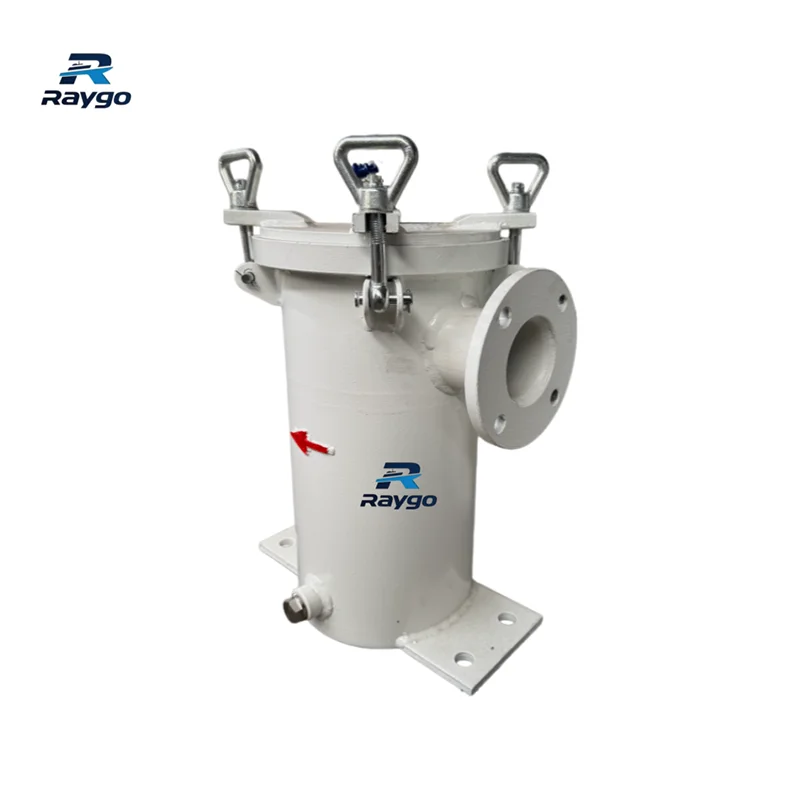
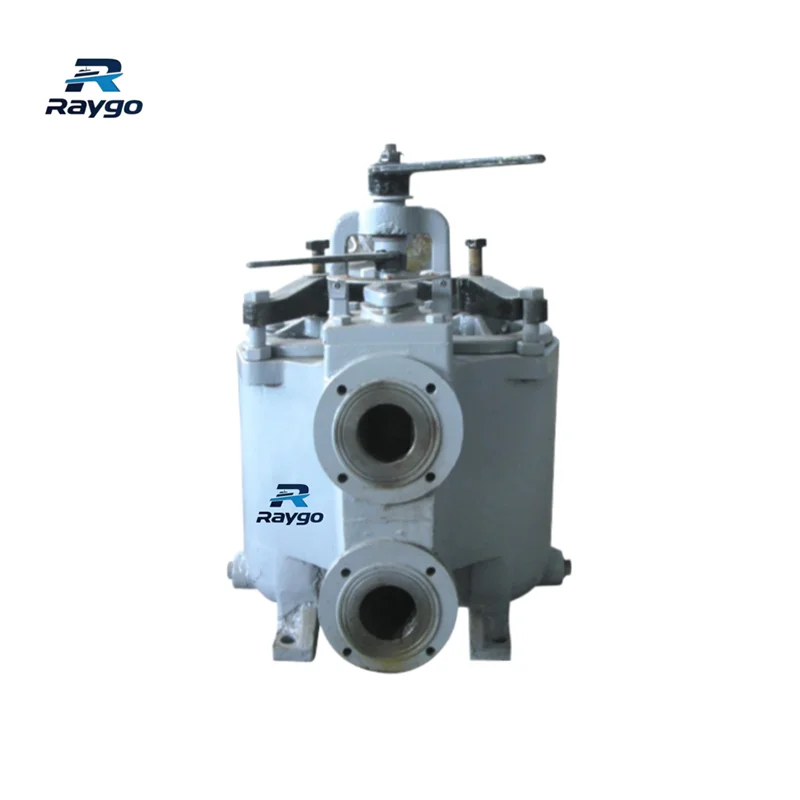
Another important distinction is between simplex and duplex oil filters. A simplex filter has one filter housing. A duplex filter has two filter housings connected through a changeover arrangement, allowing one side to remain in service while the other is isolated for inspection, cleaning or element replacement.
For Raygo Marine oil filters, the normal available size range is:
| Filter Type | Available DN Range |
| Simplex Oil Filter | DN15-DN400 |
| Duplex Oil Filter | DN20-DN200 |
| DN15 Duplex Filter | Available only as a special customized configuration |
The final dimensions, connection standard, housing layout and operating parameters should be confirmed according to the selected model and project requirements.
3. Classification by Element Structure
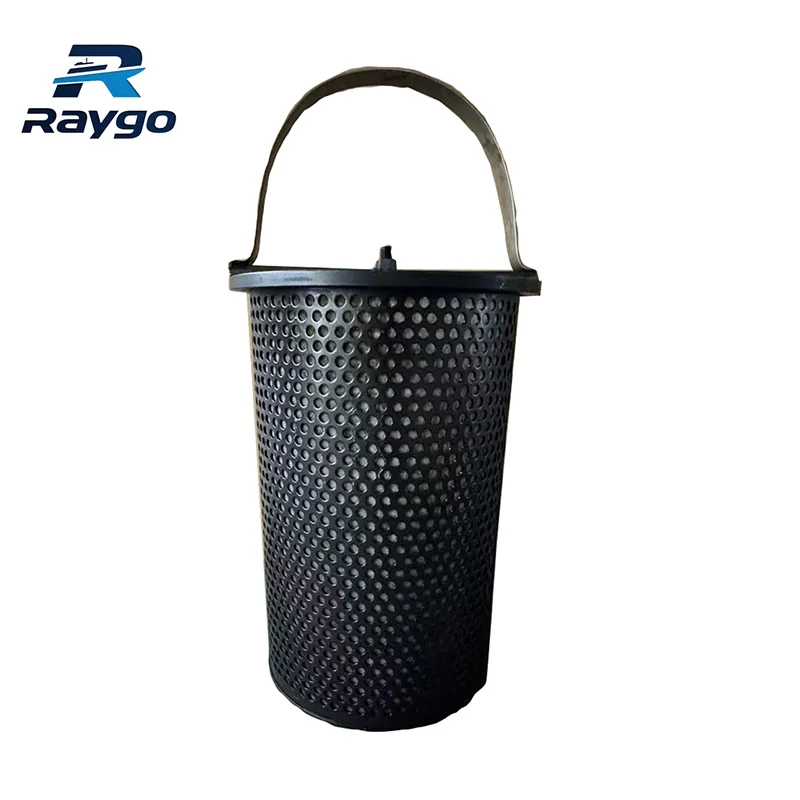
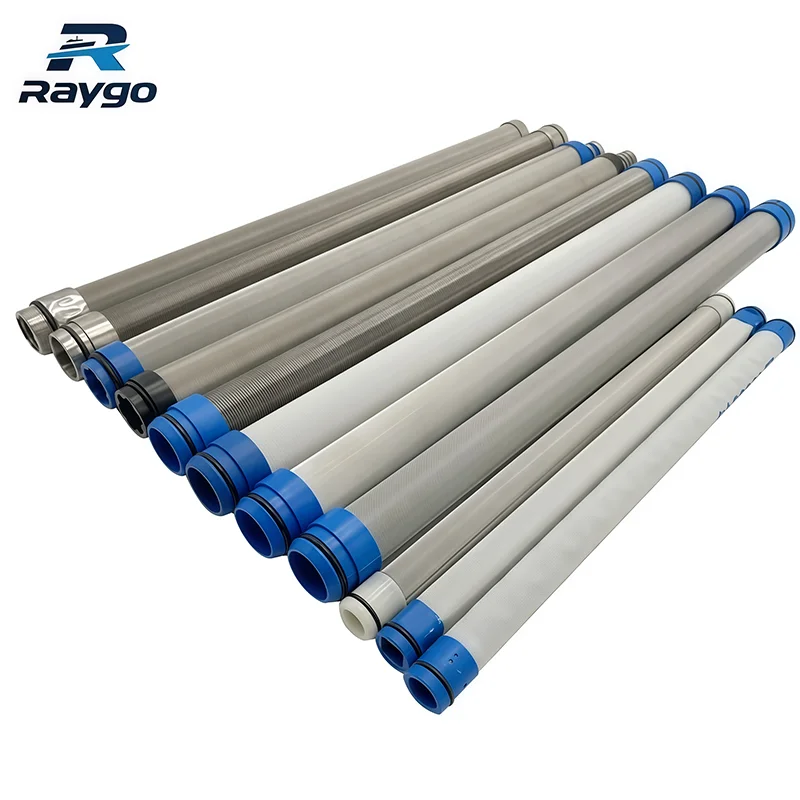
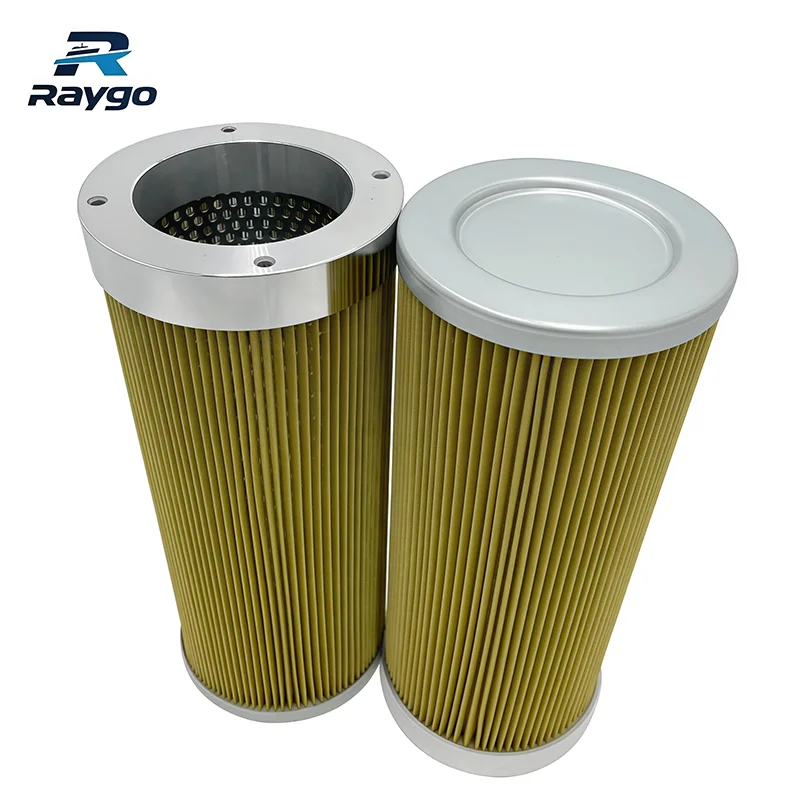
Marine oil-filter elements may use different structures, including basket elements, wire-mesh elements, candle elements, pleated elements and magnetic elements.
These element structures are not limited to one specific Raygo product series. The appropriate structure is selected according to filtration accuracy, oil type, flow rate, pressure, contamination characteristics and maintenance requirements.
Simplex vs Duplex Marine Oil Filters
The choice between simplex and duplex filtration is mainly determined by maintenance requirements and whether oil flow can be interrupted.
| Item | Simplex Oil Filter | Duplex Oil Filter |
| Structure | One filter housing | Two housings with a changeover arrangement |
| Maintenance | The filter may need to be isolated before cleaning or element replacement. | One housing can remain online while the other is serviced. |
| Typical use | Auxiliary systems, intermittent-duty equipment and applications where temporary isolation is acceptable. | Main engines, auxiliary engines, hydraulic systems and continuous-duty equipment. |
| Key concern | Maintenance may interrupt filtration if the system has no alternative flow arrangement. | Correct changeover, venting and standby-filter preparation are important. |
| Inspection points | Element, drain, vent, pressure drop and maintenance access. | Changeover mechanism, vent, drain, pressure readings, differential pressure and standby-side condition. |
For duplex filters, the standby housing should be prepared correctly before changeover. Air should be vented according to the equipment operating procedure before the standby side is brought fully into service.
After changeover, inlet pressure, outlet pressure and differential pressure should be checked to confirm stable operation.
Bypass Valves and Differential Pressure
Differential pressure is one of the most useful indicators of filter condition.
As contamination accumulates in the element, resistance to oil flow increases. Differential pressure may also rise because of cold oil, high viscosity, excessive flow, insufficient filter area, an incorrect filter element or blocked passages.
A bypass valve can protect oil supply if resistance across the filter becomes excessive. For Raygo Marine oil filters, a bypass valve can be configured for the oil-filter models according to project requirements, and the bypass arrangement can be customized.
However, bypass operation should not be treated as normal filtration. When oil bypasses the filter element, some or all of the flow may reach downstream equipment without passing through the intended filtration media.
Repeated bypass operation should therefore trigger checks of element condition, oil temperature, oil viscosity, system flow, filtration rating, differential pressure and bypass setting.
Pressure monitoring devices can also be added when required. Raygo Marine can provide pressure gauges, differential pressure gauges, differential pressure switches and remote differential-pressure alarms as optional configurations. The appropriate monitoring arrangement should be selected according to system importance and project requirements.
Filter Media and Filtration Accuracy
Filter media should be selected according to oil type, required filtration accuracy, contamination level and maintenance strategy. Two commonly used options are glass-fiber media and stainless-steel wire mesh.
| Filter Media | Typical Oil Service | Typical Filtration Range | Maintenance |
| Glass Fiber | Lubricating oil, hydraulic oil and fuel oil | Approximately 1-50 μm; customizable according to application | Cleaning is generally not recommended; replacement is preferred. |
| Stainless Steel Wire Mesh | Lubricating oil, hydraulic oil and fuel oil | Generally above 50 μm; customizable according to application | Can normally be cleaned and reused. |
These ranges are not fixed specifications for every model. Final filtration accuracy should be selected according to actual system requirements.
For example, 25 μm absolute filtration should not be treated as the standard specification for all marine oil filters. It is a relatively high-accuracy filtration requirement and should be supplied when required by the application.
For very high-accuracy filtration elements, additional performance data such as filtration efficiency or beta-ratio information may be relevant. For ordinary filtration applications, this level of test data may not always be required.
A lower micron number is therefore not automatically better. Finer filtration can increase resistance if element area, oil viscosity and flow conditions are not matched correctly.
Housing and Element Materials
Material selection should consider oil type, mechanical strength, temperature, pressure, corrosion conditions and manufacturing method. Typical Raygo Marine oil-filter material arrangements include:
| Material | Typical Application |
| Q235B | Simplex oil-filter housing |
| Q345R | Simplex oil-filter housing |
| 304 Stainless Steel | Oil-filter elements and internal filtration components |
| 316L Stainless Steel | Oil-filter elements and internal filtration components |
| ZG230-450 | Duplex oil-filter housing |
| HT200 | Duplex oil-filter housing |
| QT400 | Duplex oil-filter housing |
2205 and 2507 duplex stainless steels are generally not standard materials used for Raygo Marine oil-filter construction.
Seal materials may include different options according to oil type, temperature and operating conditions. Final seal selection should therefore be confirmed together with the system parameters rather than selected independently.
Common Failure Modes and Early Warning Signs
| Warning Sign | Possible Cause | What to Check |
| Gradual rise in differential pressure | Normal element loading, increasing contamination or viscosity change. | Check pressure trend, oil temperature and maintenance interval. |
| Sudden pressure rise | Large debris load, blocked passage, damaged media or cold high-viscosity oil. | Check temperature, flow, element condition and upstream contamination. |
| Element rupture or deformation | Excessive differential pressure, incorrect element strength or improper installation. | Inspect removed element and verify pressure rating and element specification. |
| Gasket or seal failure | Ageing, wrong seal material, poor fit, misalignment or pressure cycling. | Check sealing groove, seal type, material compatibility and installation. |
| External oil leakage | Loose cover, damaged gasket, housing damage or connection problem. | Depressurize system before checking sealing surfaces, fasteners and connections. |
| Internal bypass around the element | Incorrect dimensions, damaged seal or poor seating. | Check element dimensions, interface, seal condition and compression. |
| Housing deterioration | Environment, material mismatch or long-term service. | Inspect housing condition and determine whether repair or replacement is required. |
A filter fault should not always be considered an isolated component problem. Abnormal filter loading can also indicate contamination or wear elsewhere in the system.
Service Intervals and Oil Analysis
There is no single filter-service interval that applies to every vessel. Maintenance frequency depends on running hours, equipment load, oil condition, contamination level, oil viscosity, system condition and differential-pressure trend.
Oil analysis can provide useful supporting information. Wear metals, soot, oxidation, water, viscosity changes and fuel dilution should be interpreted together with operating conditions.
For example, rising iron or copper levels may indicate wear in the protected machinery rather than a filter problem alone. High soot or sludge loading may also shorten filter cleaning or replacement intervals.If a differential-pressure alarm is triggered, the filter should be inspected according to the equipment manual and vessel planned-maintenance procedure rather than waiting only for the scheduled maintenance interval.
How to Select a Marine Oil Filter
A marine oil filter should be selected based on the actual system data rather than catalogue appearance or DN size alone.
DN size describes the connection size, but it does not independently determine filtration capacity. Flow capacity and pressure drop are also affected by filtration rating, filter area, oil viscosity, element structure, filter media and the selected model.
| Selection Item | Why It Matters |
| Oil type | Lubricating oil, hydraulic oil and fuel oil may require different filter media, sealing materials and filtration accuracy. |
| Flow rate | The filter must pass the required oil flow without excessive pressure drop. |
| Working pressure | Housing, cover, seals and elements must withstand system pressure. |
| Operating temperature | Temperature affects viscosity and seal-material selection. |
| Filtration rating | Must match equipment cleanliness requirements. |
| Filter media | Determines filtration performance, pressure drop and cleaning or replacement method. |
| Bypass requirement | Bypass arrangement and opening pressure should follow system requirements. |
| Pressure indication | Pressure gauges, differential-pressure instruments or remote alarms can be selected where required. |
| Connection standard | Must match the vessel piping system. |
| Housing material | Should match mechanical and operating requirements. |
| Seal material | Must be compatible with oil type and operating temperature. |
| Maintenance access | Space should be available for opening, cleaning and element replacement. |
| Certificate requirement | Classification and project documentation requirements should be confirmed before production. |
For projects using the corresponding pressure class, Raygo Marine can provide configurations such as 0.3 MPa working pressure, 0.45 MPa design pressure and 0.675 MPa test pressure. These values can be applied across Raygo Marine oil-filter models when required, while the final pressure parameters should still be confirmed according to the customer’s actual project specification.
Connection Standards and Customized Configuration
Marine projects often involve different pipe and flange standards. Depending on the project, Raygo Marine can provide connections according to GB/T, CB/T, ISO, JIS, ASME, EN and BS standards, as well as metric thread, G, R/Rc and NPT thread forms.
Final flange dimensions, thread form, pressure class and connection arrangement should be confirmed from the vessel piping specification or existing equipment drawing.
Technical Data Required for Filter Selection or Replacement
When selecting a new oil filter or replacing an existing unit, providing complete technical information can significantly improve compatibility checking.
| Information Needed | Purpose |
| Oil type | Confirm whether the service is lubricating oil, hydraulic oil or fuel oil. |
| Existing filter model or part number | Helps identify the original configuration. |
| Existing filter photos | Helps identify housing, element and connection structure. |
| Drawing or physical sample | Confirms dimensions and sealing interfaces. |
| Outer diameter, inner diameter and length | Required for replacement-element matching. |
| Interface type | Must match the existing housing or piping. |
| Seal type and material | Prevents leakage and internal bypass. |
| Filter media | Determines filtration performance and maintenance method. |
| Filtration rating | Confirms required filtration accuracy. |
| Flow rate | Required for sizing and pressure-drop evaluation. |
| Working pressure | Required for housing and element strength. |
| Operating temperature | Affects oil viscosity and seal selection. |
| Bypass-valve requirement | Confirms whether bypass is required and how it should be configured. |
| Pressure monitoring requirement | Confirms whether gauges, switches or remote alarms are required. |
| Connection standard | Ensures compatibility with the vessel piping system. |
| Quantity | Required for quotation and production planning. |
| Classification / certificate requirement | Confirms project-documentation requirements. |
For replacement projects, providing the old filter photo, model number, drawing or physical sample is especially useful when the original technical documentation is incomplete.
Maintenance Notes for Cleanable Filter Elements
Not every filter element should be cleaned in the same way.
Stainless-Steel Wire-Mesh Elements
Most conventional metal wire-mesh elements can normally be cleaned and reused when their condition remains acceptable. Depending on the equipment requirements, maintenance may include cleaning with diesel or a suitable cleaning solvent, carefully removing deposits with a soft brush, and using low-pressure compressed air where permitted by the element structure.
The mesh should be inspected for deformation, rupture or damage before reinstallation. Cleaning should be performed carefully to avoid damaging the filtration structure.
Sintered Metal and Metal-Fiber Elements
Sintered-metal and metal-fiber filter elements should not automatically be treated in the same way as ordinary wire-mesh elements. Direct brushing or conventional washing may damage the filtration structure. The cleaning method should therefore follow the element design and manufacturer’s maintenance requirements.
Glass-Fiber Elements
Glass-fiber elements are generally intended for replacement rather than repeated cleaning.
After filter cleaning or element replacement, the housing should be correctly reassembled, filled and vented according to operating procedures. Pressure readings and leakage should be checked before returning the filter to normal service.
Conclusion
A marine oil filter should be selected according to actual system operating data rather than catalogue appearance or connection size alone. The main factors include oil type, viscosity, flow rate, working pressure, operating temperature, filtration accuracy, filter media, element structure, bypass arrangement, housing material, sealing material, connection standard, maintenance requirements and classification documentation.
Simplex and duplex filters solve different maintenance requirements, while glass-fiber and stainless-steel wire-mesh elements also require different filtration and maintenance strategies.
Differential-pressure monitoring is particularly useful because it helps operators identify element loading and abnormal restriction before filtration performance is seriously affected.
For a project-specific oil-filter selection or replacement review, provide the existing filter model, photos, drawing or sample together with the oil type, flow rate, working pressure, operating temperature, filtration rating, bypass requirement, connection standard and certificate requirement. Raygo Marine can then review the technical data and determine the appropriate filter configuration for the application.
Raygo’s technical support team can look over the numbers and help match the right filter to your system.
Frequently Asked Questions
What happens when a marine oil-filter bypass valve opens?
The bypass arrangement protects oil flow from excessive restriction across the filter. However, some or all of the oil may pass around the filter element, which means contaminants may continue toward downstream equipment. Repeated bypass operation should therefore be investigated.
Can every Raygo Marine oil filter be fitted with a bypass valve?
A bypass valve can be configured according to project requirements, and the arrangement can be customized. The final bypass configuration and opening requirement should be confirmed from the protected equipment and system operating conditions.
Is a lower micron rating always better?
No. Finer filtration can capture smaller particles, but it can also increase pressure drop when oil viscosity, element area and flow rate are not correctly matched. Filtration accuracy should be selected according to the actual equipment requirement.
Is 25 μm absolute the standard filtration rating?
No. 25 μm absolute is a relatively high-accuracy filtration requirement and is not the standard rating for every filter. Filtration accuracy should be selected and customized according to the application.
What causes high differential pressure across an oil filter?
Common causes include element contamination, cold oil, high oil viscosity, excessive flow, insufficient filter area, incorrect element specification and blocked internal passages. The oil temperature, flow condition and filter-element condition should be checked together.
When should a duplex oil filter be used?
A duplex filter is useful when filtration should continue while one housing is isolated for maintenance. It is commonly considered for continuous-duty systems where stopping oil flow for routine element cleaning or replacement is undesirable.
Can one filter design be used for lubricating oil, hydraulic oil and fuel oil?
Yes, many filter configurations can be adapted for these oil services. However, the actual oil type, viscosity, operating temperature, filtration rating, seal material, pressure and filter media must be confirmed before final selection.
Can stainless-steel wire-mesh elements be cleaned?
Most conventional stainless-steel wire-mesh elements can be cleaned and reused if they remain in good condition. However, sintered-metal and metal-fiber elements should not automatically be brushed or washed using the same method.
Can glass-fiber elements be cleaned and reused?
Cleaning is generally not recommended for glass-fiber elements. Replacement is preferred.
Does DN size determine filter capacity?
No. DN describes the connection size. Actual filter capacity also depends on oil viscosity, filter area, filtration accuracy, element structure, pressure drop and system flow.
Are pressure gauges and differential-pressure alarms standard?
Pressure gauges, differential-pressure gauges, differential-pressure switches and remote alarms are optional configurations. They can be selected according to system requirements.
What information is needed to replace an existing marine oil filter?
Useful information includes the existing model or part number, filter photos, drawing or physical sample, oil type, flow rate, working pressure, operating temperature, filtration rating, filter-element dimensions, seal type, connection standard, bypass requirement and certificate requirement. The more complete the existing equipment information is, the easier it is to check replacement compatibility.